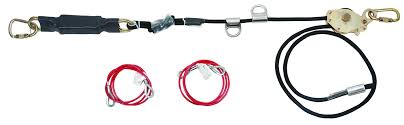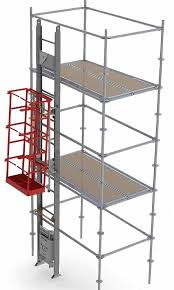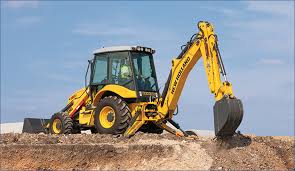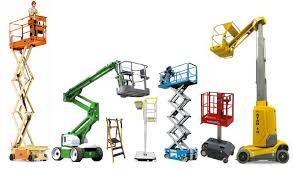

Available courses

🔍 Click to Expand: Paul First Nation Awareness Training Overview

The Paul First Nation Awareness Training is a comprehensive course designed to deepen participants’ understanding of First Nation histories, cultures, and contemporary issues in Canada—with a special focus on the Paul First Nation. This course promotes reconciliation, cultural respect, and awareness by exploring historical contexts, treaty rights, and the ongoing challenges and successes of First Nation communities.

Participants will engage with a rich curriculum that includes modules on the history and cultural heritage of First Nation peoples, the unique identity of the Paul First Nation, resilience and cultural revival, and the critical process of reconciliation. The course is developed in partnership with the Paul First Nation and delivered by ACTI to ensure authenticity, community wellness, and meaningful engagement.

📌 Key Learning Modules:

  • Module 1: Introduction – An overview of the importance of understanding First Nation history and culture, and the significance of reconciliation and environmental stewardship.
  • Module 2: First Nation Peoples of Canada – A look into the diverse cultures, languages, and traditions of First Nation peoples, highlighting their historical and cultural contributions.
  • Module 3: History of First Nation Peoples in Canada – Examination of the impacts of colonization, residential schools, and the Indian Act on First Nation communities.
  • Module 4: Paul First Nation – An in-depth exploration of the Paul First Nation’s location, cultural heritage, and historical context, including treaty relationships.
  • Module 5: Resilience and Cultural Revival – Discussion on the enduring strength, cultural revitalization efforts, and adaptive practices of First Nation communities.
  • Module 6: Reconciliation and Moving Forward – Insight into the Truth and Reconciliation Commission’s Calls to Action, the role of personal reflection, and concrete steps toward fostering understanding and healing.
  • Module 7: Q&A and Discussion – An interactive session providing an opportunity for participants to ask questions, share perspectives, and engage in dialogue about reconciliation.
  • Module 8: Conclusion – A recap of key points, emphasizing personal reflection, continued learning, and actionable steps for supporting reconciliation.

✅ Upon Completion:

  • ✅ Gain a deeper understanding of First Nation histories, treaty rights, and the cultural diversity of First Nation peoples.
  • ✅ Recognize the profound impacts of colonization and systemic injustices, and appreciate the resilience of First Nation communities.
  • ✅ Develop awareness of the unique cultural heritage and contemporary challenges of the Paul First Nation.
  • ✅ Engage in meaningful dialogue about reconciliation and learn concrete strategies for personal and community action.
  • ✅ Be empowered to contribute to a more inclusive, respectful, and equitable society through continued education and allyship.

This training is essential for anyone seeking to understand and support First Nation communities in Canada and is a vital step towards fostering reconciliation and mutual respect.

Developed for Paul First Nations by ACTI in Partnership with the Nation

​:contentReference[oaicite:0]{index=0}

🔍 Click to Expand: MEWP Training Overview

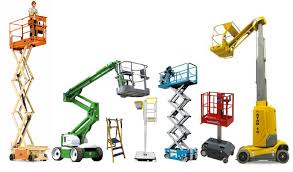
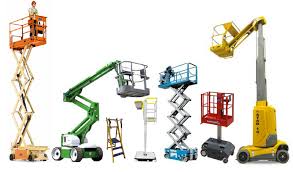
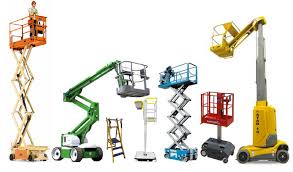
The **ACTI Mobile Elevated Work Platform (MEWP) Training Program** is designed to provide participants with the **knowledge and skills required to safely operate MEWPs in various work environments**. This training aligns with ** OH&S regulations, CSA B354 standards, and industry best practices**, ensuring compliance and operational safety.

Participants will learn how to **identify hazards, conduct equipment inspections, operate MEWPs safely, and execute emergency procedures**. The course covers **MEWP classifications, stability principles, fall protection, safe work practices, and emergency response**.

📌 Key Learning Modules:

  • Regulatory Standards & Compliance: Understanding OH&S requirements, CSA B354 standards, and employer/worker responsibilities.
  • MEWP Types & Components: Identifying different types of MEWPs, their components, and required inspections.
  • Pre-Use Inspections & Maintenance: Conducting daily inspections and understanding maintenance requirements.
  • Safe Operation & Stability: Proper machine operation, load capacity, working on slopes, and avoiding tip-overs.
  • Fall Protection & Worksite Safety: Implementing fall protection measures, hazard assessments, and exclusion zones.
  • Emergency Preparedness & Rescue Plans: Understanding rescue procedures in case of machine failure or operator distress.

✅ Upon Completion:

Upon successfully completing the **ACTI MEWP Training Program**, participants will be able to:

  • ✅ **Understand and apply** OH&S regulations, CSA B354 standards, and site-specific MEWP requirements.
  • ✅ **Conduct pre-use inspections** and recognize defects that require maintenance or repair.
  • ✅ **Safely operate MEWPs** while maintaining stability, avoiding hazards, and following proper work procedures.
  • ✅ **Implement fall protection measures** and recognize the importance of safe work practices at height.
  • ✅ **Develop and follow emergency action plans** for rescue operations and incident response.
  • ✅ **Pass a written knowledge assessment** (minimum 80%) and successfully complete the practical evaluation.

Participants who meet all course requirements will receive an **ACTI MEWP Operator Certification**, recognized across **Canada**, ensuring they are qualified to operate MEWPs safely in **construction, industrial, and maintenance environments**.

🔍 Click to Expand: Confined Space Entry & Attendant Training Overview

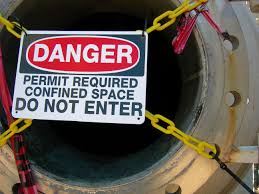
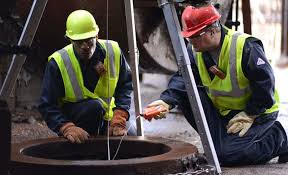
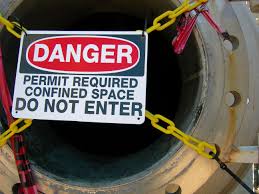
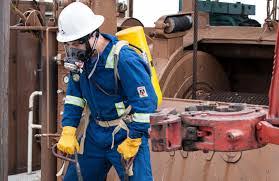
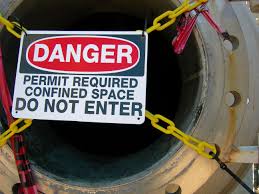
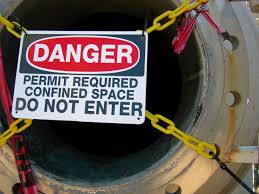
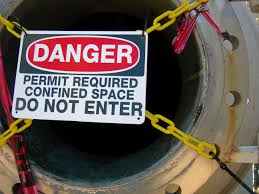
The **ACTI Confined Space Entry & Attendant Training Program** is designed to provide workers with the **knowledge and skills necessary to safely enter, monitor, and work in confined spaces**. This training aligns with ** OH&S regulations, CSA Z1006 standards, and industry best practices**, ensuring compliance and workplace safety.

Participants will learn how to **identify confined space hazards, implement control measures, follow safe entry procedures, and perform rescue operations**. The course covers **hazard assessment, atmospheric testing, isolation procedures, personal protective equipment (PPE), and emergency response**.

📌 Key Learning Modules:

  • Legislation & Regulatory Requirements: Understanding OH&S, CSA Z1006, and employer/worker obligations.
  • Hazard Identification & Control Measures: Recognizing common confined space hazards, including atmospheric, mechanical, and engulfment risks.
  • Entry Procedures & Permits: Safe work permits, isolation, atmospheric monitoring, and attendant responsibilities.
  • Personal Protective Equipment (PPE): Proper selection, use, and inspection of harnesses, respiratory protection, and gas detection equipment.
  • Rescue Planning & Emergency Procedures: Understanding confined space rescue types, non-entry rescues, and emergency response planning.

✅ Upon Completion:

Upon successfully completing the **ACTI Confined Space Entry & Attendant Training Program**, participants will be able to:

  • ✅ **Understand and apply** OH&S regulations, CSA Z1006, and site-specific confined space entry requirements.
  • ✅ **Conduct hazard assessments** and implement control measures to reduce risks.
  • ✅ **Perform pre-entry atmospheric testing** and maintain safe conditions throughout the work process.
  • ✅ **Properly use PPE and gas detection equipment** to ensure personal safety and compliance.
  • ✅ **Carry out the duties of an attendant and entry supervisor** to oversee confined space operations.
  • ✅ **Develop and execute emergency action plans** for confined space rescue situations.
  • ✅ **Pass a written knowledge assessment** (minimum 80%) and successfully complete the practical evaluation.

Participants who meet all course requirements will receive an **ACTI Confined Space Entry & Attendant Certification**, recognized across **Canada**, ensuring they are qualified to safely enter, monitor, and work in confined spaces within **industrial, construction, and maintenance environments**.

🔍 Click to Expand: Fall Protection Training Overview

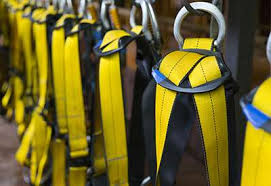
The **ACTI Fall Protection Training Program** is designed to equip workers with the **knowledge and skills required to work safely at heights**, ensuring compliance with ** OH&S regulations, CSA Z259 standards, and industry best practices**.

Participants will learn how to **identify fall hazards, select appropriate fall protection systems, use equipment correctly, and develop rescue plans**. The course covers **regulatory requirements, fall arrest systems, anchor points, inspection procedures, and emergency response**.

📌 Key Learning Modules:

  • Legislation & Worker Responsibilities: Understanding OH&S regulations, CSA Z259 standards, and employer/worker obligations.
  • Hazard Recognition & Risk Assessment: Identifying common fall hazards and assessing worksite risks.
  • Hierarchy of Controls: Exploring fall prevention, fall arrest, and fall restraint systems.
  • Fall Protection Equipment: Proper selection, inspection, and use of harnesses, lanyards, anchor points, and self-retracting lifelines.
  • Work Access & Platforms: Safe use of ladders, scaffolds, swing stages, and MEWPs.
  • Emergency Response & Rescue Planning: Developing effective fall rescue plans and understanding suspension trauma risks.

✅ Upon Completion:

Upon successfully completing the **ACTI Fall Protection Training Program**, participants will be able to:

  • ✅ **Understand and apply** OH&S regulations, CSA Z259 standards, and worksite-specific fall protection requirements.
  • ✅ **Recognize fall hazards** and implement control measures to reduce risks.
  • ✅ **Properly inspect and use** fall protection equipment, including harnesses, lanyards, lifelines, and anchor points.
  • ✅ **Safely work on elevated platforms, ladders, and scaffolds** while maintaining compliance with fall protection regulations.
  • ✅ **Develop and execute emergency response plans** for fall-related incidents, including worker rescue.
  • ✅ **Pass a written knowledge assessment** (minimum 80%) and successfully complete the practical evaluation.

Participants who meet all course requirements will receive an **ACTI Fall Protection Certification**, recognized across **Canada**, ensuring they are qualified to work safely at heights in **construction, industrial, and maintenance environments**.

Online BSV

The BSV Online program is designed for self-paced learning, requiring computer literacy to effectively navigate the system and engage with exercises. Key tools utilized include Excel and PDF applications.

Our objective is to ensure your satisfaction with the Better SuperVision program, fostering the acquisition of relevant information and skills beneficial to your professional endeavors. Success in the program is paramount, and we aim to achieve this by delving deeper into E-Learning material through various practical exercises during training.

Complementing the E-Learning Program, we provide additional learning materials for selected topics, accessible through downloadable documents on the ACTI LMS platform. Upon completion of the three ACTI LMS BSV E-Learning parts, you will receive your Better SuperVision certificate adorned with one gold seal.

For the opportunity to earn two more seals, participants can enroll in the two-day Leadership For Safety Excellence Program offered by the Alberta Construction Safety Association (www.youracsa.ca). Additionally, completing the Coaching Tool, available in the ACTI LMS or in the front of your workbook and online at the Better SuperVision website, is essential. This tool is designed to facilitate the practical application of Better Supervision knowledge and skills in the field.

The online BSV program was designed to increase the training options for students who are interested in completing the class.  The ability to complete the program at anytime and from anywhere that the participant has a computer and internet access allows greater flexibility for the student.  To ensure successful participation in the online program and completion of the course the following information and recommendations should be considered BEFORE agreeing to attend the online program.

  • Participants must have a desktop or laptop computer with an integrated camera.
    • The program cannot be completed on a tablet or mobile phone.
    • A camera is required to complete exams throughout the program.
  • Participants must be familiar with their computer and be able to navigate software applications such as PDF.
    • Participants must be able to download various PDFs from the online program, comment on them and upload the completed PDF back to the online platform.
  • It is recommended that online participants have some previous supervisory experience as this is a self paced program that does not allow access to an instructor during the completion of the program.
    • Students will have to rely on their own experience and the online PowerPoint and PDF student manual to understand and complete the course and activities.
    • Students will not have access to an instructor when completing the course.
  • All exercises, exams and student responses will be reviewed by an instructor upon completion. Instructors will reach out to students to clarify any responses or to advise of any incorrect or missing information.
  • Participants have 120 days from the date of issue of the online course coupon to complete the training in full. If the participant does not complete the program within the 120 days, the coupon is invalid, and they are required to purchase an additional course coupon (at full price) to complete the course.  Once a coupon has been issued, it can not be returned.  If a participant is issued an online coupon, then decides to do the in-class program, they will need to pay for the additional in person class fee separately. 

Please consider the above listed information BFORE agreeing to participate in the online program.  Once the online course coupon has been issued, it cannot be returned or refunded.  Participants have 120 days from the issue date of the online program to complete the course.


Please Contact Better Supervision for more information and to gain access to the Online Program 
🔍 Click to Expand: ACTI WHMIS GHS 2025 Training Overview

📌 ACTI WHMIS GHS 2025 Training Overview

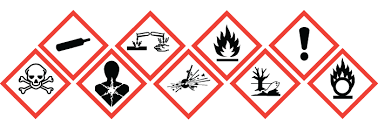
The ACTI WHMIS GHS 2025 Training Program is designed to provide workers with a comprehensive understanding of the Workplace Hazardous Materials Information System (WHMIS) and its alignment with the Globally Harmonized System (GHS). This training ensures compliance with Health Canada, Occupational Health & Safety (OH&S) regulations, and the Hazardous Products Regulations.
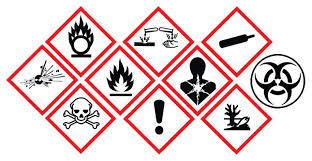
Participants will learn to identify hazardous products, read labels and Safety Data Sheets (SDSs), apply safe handling procedures, and comply with WHMIS requirements. The course covers hazard classification, pictograms, employer/worker responsibilities, and emergency response.

📌 How WHMIS GHS Works

WHMIS is Canada’s national workplace hazard communication standard and is aligned with GHS to improve consistency and worker safety.

🔹 1. WHMIS Components

  • Classification of hazardous products into hazard classes and categories.
  • Mandatory supplier labels that communicate key safety information.
  • Safety Data Sheets (SDSs) providing detailed hazard and precautionary information.
  • Worker training to ensure proper handling and response to hazardous products.

🔹 2. WHMIS & GHS Alignment

  • Consistent hazard classification across Canada and internationally.
  • Standardized pictograms and hazard statements.
  • Improved emergency response measures and product labeling.

🔹 3. Key Hazard Groups

  • Physical Hazards: Includes flammables, oxidizers, explosives, compressed gases, and corrosive materials.
  • Health Hazards: Covers toxic substances, carcinogens, respiratory sensitizers, reproductive hazards, and biohazards.

📌 Why Choose ACTI WHMIS GHS Training?

  • Regulatory Compliance: Training meets Health Canada and OH&S requirements.
  • Comprehensive Learning: Covers WHMIS labels, SDSs, and safe handling procedures.
  • Industry-Relevant Content: Tailored for construction, industrial, and trade-based workplaces.
  • Certification & Tracking: Automated progress tracking and instant certification upon successful completion.

📌 Getting Started

  • Sign Up & Enroll – Register on the ACTI LMS and select the WHMIS GHS 2025 course.
  • Complete Training – Learn through interactive content, quizzes, and scenario-based activities.
  • Pass the Exam – Achieve a minimum score of 80% to receive your certification.
  • Earn Certification – Receive your WHMIS GHS 2025 certificate upon successful completion.

Join thousands of workers and employers enhancing workplace safety with ACTI WHMIS GHS training.

📌 Exclusive Discounts

Contact ACTI for discount coupon codes available for Edmonton Construction Association (ECA) and TradesLink customers.

Ready to get certified? Enroll now and enhance your workplace safety knowledge!

🔍 Click to Expand: Fall Protection Training Overview

The **ACTI Fall Protection Training Program** is designed to equip workers with the **knowledge and skills required to work safely at heights**, ensuring compliance with ** OH&S regulations, CSA Z259 standards, and industry best practices**.

Participants will learn how to **identify fall hazards, select appropriate fall protection systems, use equipment correctly, and develop rescue plans**. The course covers **regulatory requirements, fall arrest systems, anchor points, inspection procedures, and emergency response**.

📌 Key Learning Modules:

  • Legislation & Worker Responsibilities: Understanding OH&S regulations, CSA Z259 standards, and employer/worker obligations.
  • Hazard Recognition & Risk Assessment: Identifying common fall hazards and assessing worksite risks.
  • Hierarchy of Controls: Exploring fall prevention, fall arrest, and fall restraint systems.
  • Fall Protection Equipment: Proper selection, inspection, and use of harnesses, lanyards, anchor points, and self-retracting lifelines.
  • Work Access & Platforms: Safe use of ladders, scaffolds, swing stages, and MEWPs.
  • Emergency Response & Rescue Planning: Developing effective fall rescue plans and understanding suspension trauma risks.

✅ Upon Completion:

Upon successfully completing the **ACTI Fall Protection Training Program**, participants will be able to:

  • ✅ **Understand and apply** OH&S regulations, CSA Z259 standards, and worksite-specific fall protection requirements.
  • ✅ **Recognize fall hazards** and implement control measures to reduce risks.
  • ✅ **Properly inspect and use** fall protection equipment, including harnesses, lanyards, lifelines, and anchor points.
  • ✅ **Safely work on elevated platforms, ladders, and scaffolds** while maintaining compliance with fall protection regulations.
  • ✅ **Develop and execute emergency response plans** for fall-related incidents, including worker rescue.
  • ✅ **Pass a written knowledge assessment** (minimum 80%) and successfully complete the practical evaluation.

Participants who meet all course requirements will receive an **ACTI Fall Protection Certification**, recognized across **Canada**, ensuring they are qualified to work safely at heights in **construction, industrial, and maintenance environments**.

🔍 Click to Expand: Fall Protection Equipment Qualified Inspector Training Overview

The **ACTI Fall Protection Equipment Qualified Inspector Training Program** is designed to equip individuals with the **knowledge and skills required to inspect and recertify fall protection equipment** in compliance with ** OH&S regulations, CSA Z259 standards, and industry best practices**. This program ensures that inspectors can assess the safety, integrity, and compliance of fall protection equipment used in various work environments.

Participants will learn how to **identify defects, conduct systematic inspections, document findings, and apply best practices for maintaining fall protection systems**. The course covers **inspection procedures, regulatory requirements, manufacturer specifications, and proper documentation techniques**.

📌 Key Learning Modules:

  • Legislation & Compliance: Understanding OH&S regulations, CSA Z259 standards, and employer responsibilities for fall protection inspections.
  • Types of Inspections: Pre-use, periodic, and annual inspections for harnesses, lanyards, self-retracting lifelines (SRLs), anchorage systems, and confined space rescue equipment.
  • Component Inspections: Evaluating fall protection components such as harnesses, connectors, lifelines, anchors, energy absorbers, and hardware for damage and wear.
  • Inspection Procedures & Documentation: Following systematic inspection checklists, logging inspection findings, and ensuring compliance with manufacturer recommendations.
  • Condemning & Removing Equipment: Identifying and managing defective equipment, proper disposal methods, and understanding recertification requirements.
  • Emergency Response & Equipment Failures: Handling post-fall incidents, rescue planning, and ensuring continued worker safety.

✅ Upon Completion:

Upon successfully completing the **ACTI Fall Protection Equipment Qualified Inspector Training Program**, participants will be able to:

  • ✅ **Understand and apply** OH&S and CSA Z259 regulations related to fall protection equipment inspections.
  • ✅ **Conduct detailed inspections** on harnesses, lanyards, lifelines, SRLs, and anchorage systems.
  • ✅ **Recognize and document deficiencies** that require equipment removal or repair.
  • ✅ **Properly tag and recertify fall protection equipment** in accordance with industry standards.
  • ✅ **Develop and maintain inspection records** to ensure regulatory compliance and workplace safety.
  • ✅ **Pass a written knowledge assessment** (minimum 80%) and successfully complete the practical inspection evaluation.

Participants who meet all course requirements will receive an **ACTI Fall Protection Equipment Qualified Inspector Certification**, recognized across **Canada**, ensuring they are qualified to perform **thorough and compliant fall protection equipment inspections in industrial, construction, and maintenance environments**.

🔍 Click to Expand: Confined Space Entry & Attendant Training Overview

The **ACTI Confined Space Entry & Attendant Training Program** is designed to provide workers with the **knowledge and skills necessary to safely enter, monitor, and work in confined spaces**. This training aligns with ** OH&S regulations, CSA Z1006 standards, and industry best practices**, ensuring compliance and workplace safety.

Participants will learn how to **identify confined space hazards, implement control measures, follow safe entry procedures, and perform rescue operations**. The course covers **hazard assessment, atmospheric testing, isolation procedures, personal protective equipment (PPE), and emergency response**.

📌 Key Learning Modules:

  • Legislation & Regulatory Requirements: Understanding OH&S, CSA Z1006, and employer/worker obligations.
  • Hazard Identification & Control Measures: Recognizing common confined space hazards, including atmospheric, mechanical, and engulfment risks.
  • Entry Procedures & Permits: Safe work permits, isolation, atmospheric monitoring, and attendant responsibilities.
  • Personal Protective Equipment (PPE): Proper selection, use, and inspection of harnesses, respiratory protection, and gas detection equipment.
  • Rescue Planning & Emergency Procedures: Understanding confined space rescue types, non-entry rescues, and emergency response planning.

✅ Upon Completion:

Upon successfully completing the **ACTI Confined Space Entry & Attendant Training Program**, participants will be able to:

  • ✅ **Understand and apply** OH&S regulations, CSA Z1006, and site-specific confined space entry requirements.
  • ✅ **Conduct hazard assessments** and implement control measures to reduce risks.
  • ✅ **Perform pre-entry atmospheric testing** and maintain safe conditions throughout the work process.
  • ✅ **Properly use PPE and gas detection equipment** to ensure personal safety and compliance.
  • ✅ **Carry out the duties of an attendant and entry supervisor** to oversee confined space operations.
  • ✅ **Develop and execute emergency action plans** for confined space rescue situations.
  • ✅ **Pass a written knowledge assessment** (minimum 80%) and successfully complete the practical evaluation.

Participants who meet all course requirements will receive an **ACTI Confined Space Entry & Attendant Certification**, recognized across **Canada**, ensuring they are qualified to safely enter, monitor, and work in confined spaces within **industrial, construction, and maintenance environments**.

🔍 Click to Expand: MEWP Training Overview

The **ACTI Mobile Elevated Work Platform (MEWP) Training Program** is designed to provide participants with the **knowledge and skills required to safely operate MEWPs in various work environments**. This training aligns with ** OH&S regulations, CSA B354 standards, and industry best practices**, ensuring compliance and operational safety.

Participants will learn how to **identify hazards, conduct equipment inspections, operate MEWPs safely, and execute emergency procedures**. The course covers **MEWP classifications, stability principles, fall protection, safe work practices, and emergency response**.

📌 Key Learning Modules:

  • Regulatory Standards & Compliance: Understanding OH&S requirements, CSA B354 standards, and employer/worker responsibilities.
  • MEWP Types & Components: Identifying different types of MEWPs, their components, and required inspections.
  • Pre-Use Inspections & Maintenance: Conducting daily inspections and understanding maintenance requirements.
  • Safe Operation & Stability: Proper machine operation, load capacity, working on slopes, and avoiding tip-overs.
  • Fall Protection & Worksite Safety: Implementing fall protection measures, hazard assessments, and exclusion zones.
  • Emergency Preparedness & Rescue Plans: Understanding rescue procedures in case of machine failure or operator distress.

✅ Upon Completion:

Upon successfully completing the **ACTI MEWP Training Program**, participants will be able to:

  • ✅ **Understand and apply** OH&S regulations, CSA B354 standards, and site-specific MEWP requirements.
  • ✅ **Conduct pre-use inspections** and recognize defects that require maintenance or repair.
  • ✅ **Safely operate MEWPs** while maintaining stability, avoiding hazards, and following proper work procedures.
  • ✅ **Implement fall protection measures** and recognize the importance of safe work practices at height.
  • ✅ **Develop and follow emergency action plans** for rescue operations and incident response.
  • ✅ **Pass a written knowledge assessment** (minimum 80%) and successfully complete the practical evaluation.

Participants who meet all course requirements will receive an **ACTI MEWP Operator Certification**, recognized across **Canada**, ensuring they are qualified to operate MEWPs safely in **construction, industrial, and maintenance environments**.

🔍 Click to Expand: Fire Watch Training Overview

The ACTI Fire Watch Training Program provides essential knowledge and practical skills for personnel responsible for monitoring fire hazards in hot work environments. This training aligns with Occupational Health & Safety (OH&S) regulations, the provincial Fire Codes, and NFPA 51B standards, ensuring compliance and workplace safety.
🔥 Key Learning Modules:

  • Fire Watch Roles & Responsibilities: Understanding duties, authority, and the importance of due diligence.
  • Fire Safety Regulations & Compliance: Reviewing OH&S, NFPA standards, and employer responsibilities.
  • Fire Hazards & Prevention: Identifying potential fire risks, ignition sources, and fire protection measures.
  • Hot Work Operations & Permits: Learning permitting procedures, worksite preparations, and fire prevention strategies.
  • Fire Extinguishers & Suppression Techniques: Understanding fire classifications, extinguisher types, and proper usage (PASS method).
  • Emergency Response & Incident Management: Developing rescue plans, communication procedures, and post-fire watch protocols.
  • Case Studies & Practical Scenarios: Analyzing real-world incidents to reinforce learning and improve fire prevention awareness.

✅ Upon Completion:

Participants will be able to:

  • Understand and apply OH&S legislation and NFPA standards related to fire safety.
  • Identify fire hazards and assess risks associated with hot work operations.
  • Properly conduct fire watch duties, ensuring a safe worksite before, during, and after hot work.
  • Use fire extinguishers correctly, applying the PASS method to suppress fires safely.
  • Implement emergency response procedures, including evacuation, fire suppression, and incident reporting.
  • Monitor work areas post-hot work, maintaining a fire watch for at least one hour after work completion as per the National Fire Code.
  • Pass a written knowledge assessment (minimum 75%) and successfully complete the practical skills evaluation.

Participants who meet all course requirements will receive an ACTI Fire Watch Certification, recognized across Canada, ensuring they are qualified to monitor and respond to fire hazards in industrial and commercial settings.

🔍 Click to Expand: Canadian DOT Cargo Securement Training Overview

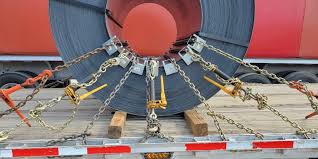
The **ACTI Canadian DOT Cargo Securement Training Program** is designed to provide participants with the **knowledge and skills necessary to properly secure cargo in compliance with the North American Cargo Securement Standard**. This training aligns with **Canadian and U.S. federal regulations, Alberta OH&S standards, and industry best practices**, ensuring compliance and transportation safety.

Participants will learn how to **correctly restrain, immobilize, and inspect cargo to prevent load shifts, spills, and transportation hazards**. The course covers **securement system components, working load limits (WLL), tie-down methods, and commodity-specific requirements for various load types, including logs, metal coils, vehicles, and intermodal containers**.

📌 Key Learning Modules:

  • Regulatory Standards & Compliance: Understanding North American Cargo Securement regulations, DOT guidelines, and employer/driver responsibilities.
  • Securement System Components: Identifying vehicle structures, tie-downs, blocking, bracing, and friction-enhancing materials.
  • Load Securement Techniques: Applying direct and indirect tiedowns, aggregate working load limit calculations, and best practices for various cargo types.
  • Commodity-Specific Securement: Learning proper securement for logs, dressed lumber, metal coils, paper rolls, intermodal containers, vehicles, machinery, and roll-on/roll-off containers.
  • Inspection & Compliance Checks: Conducting pre-trip, en-route, and post-trip inspections, identifying deficiencies, and ensuring regulatory compliance.
  • Emergency Situations & Load Shifts: Responding to cargo securement failures, roadside inspections, and legal responsibilities for drivers and carriers.

✅ Upon Completion:

Upon successfully completing the **ACTI Canadian DOT Cargo Securement Training Program**, participants will be able to:

  • ✅ **Understand and apply** North American Cargo Securement Standards and Canadian DOT requirements.
  • ✅ **Identify appropriate securement systems** based on cargo type, weight, and vehicle configuration.
  • ✅ **Correctly apply tie-downs, blocking, bracing, and securing devices** to prevent load movement.
  • ✅ **Inspect and assess securement effectiveness** to ensure compliance with legal and safety requirements.
  • ✅ **Respond to load shifts, securement failures, and emergency situations** to maintain roadway safety.
  • ✅ **Pass a written knowledge assessment** (minimum 80%) and successfully complete the practical evaluation.

Participants who meet all course requirements will receive an **ACTI Cargo Securement Certification**, recognized across **Canada**, ensuring they are qualified to secure loads safely and legally in **transportation, construction, and industrial environments**.

🔍 Click to Expand: Off-Campus Worksite Inspection Training

The ACTI Off-Campus Worksite Inspection Training Program equips educators, workplace supervisors, and safety personnel with the knowledge and skills necessary to conduct thorough safety inspections of off-campus work placements. This course aligns with Occupational Health & Safety (OH&S) regulations and best practices for ensuring a safe and compliant learning environment for students participating in work-integrated learning programs.
📌 Key Learning Modules:

  • Regulatory Requirements & Due Diligence: Understanding OH&S legislation, employer/student responsibilities, and risk management.
  • Hazard Identification & Risk Assessment: Recognizing physical, chemical, biological, and ergonomic hazards in the workplace.
  • Worksite Inspection Techniques: Learning how to conduct structured safety inspections, evaluate employer compliance, and document findings.
  • Student Health & Safety Considerations: Implementing hazard awareness, training, and PPE requirements to safeguard student workers.
  • Incident Reporting & Emergency Preparedness: Developing response plans for workplace accidents and ensuring WCB compliance.
  • Safe Work Practices & Cultural Awareness: Understanding workplace expectations, mentorship strategies, and behavioral safety for new workers.

✅ Upon Completion:

Participants will be able to:

  • Understand and apply Alberta OH&S legislation and student safety regulations.
  • Conduct effective worksite inspections, identifying and documenting potential hazards.
  • Assess employer compliance and ensure due diligence in workplace safety.
  • Recognize and mitigate risks that affect student workers, young workers, and new employees.
  • Implement safe work practices and hazard control measures to maintain a secure learning environment.
  • Develop emergency response procedures and incident reporting protocols to comply with Workers’ Compensation Board (WCB) requirements.
  • Pass a written knowledge assessment (minimum 80%) and successfully complete the practical evaluation.

Upon meeting all course requirements, participants will receive an ACTI Off-Campus Worksite Inspection Certification, recognized across Canada, ensuring they are qualified to inspect and evaluate work placements for student safety and compliance.

Teacher: Alberta Construction Training Institute

🔍 Click to Expand: Naturally Occurring Radioactive Materials (NORM) Training Overview

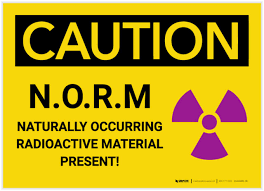
The ACTI Naturally Occurring Radioactive Materials (NORM) Training program provides participants with essential knowledge to safely identify, assess, and manage NORM hazards in various industrial settings. The training aligns with Occupational Health & Safety (OH&S) regulations, the Canadian Nuclear Safety Commission (CNSC) guidelines, and **industry best practices**.
📌 Key Learning Modules:

  • Regulatory Requirements & Standards: Understanding OH&S regulations, CNSC guidelines, and employer/worker responsibilities.
  • Sources of NORM: Identifying where NORM occurs, including oil and gas, mining, water treatment, and industrial processes.
  • Health Risks & Radiation Exposure: Recognizing short-term and long-term effects of NORM exposure and implementing safety measures.
  • Detection & Measurement: Learning to use, calibrate, and interpret radiation monitoring equipment.
  • Engineering & Administrative Controls: Applying ventilation, shielding, PPE, and ALARA (As Low As Reasonably Achievable) principles to reduce exposure.
  • Safe Handling, Storage & Disposal: Implementing proper waste management, decontamination, and transportation procedures.
  • Emergency Response & Incident Management: Developing and applying effective response plans for accidental NORM exposure.

✅ Upon Completion:

Upon successful completion of the **ACTI NORM Training Program**, participants will be able to:

  • Understand and comply with OH&S legislation and CNSC regulations related to NORM.
  • Identify NORM sources in various industrial settings and assess potential exposure risks.
  • Conduct radiation surveys using Geiger counters, scintillation detectors, and other monitoring equipment.
  • Apply hazard control measures, including shielding, ventilation, PPE, and exposure limits.
  • Implement safe work practices for handling, storing, transporting, and disposing of NORM waste.
  • Develop and follow emergency response procedures, including incident reporting and decontamination protocols.
  • Pass a written knowledge assessment (minimum 80%) and successfully complete the practical skills evaluation.

Participants who meet all course requirements will receive an **ACTI NORM Certification**, recognized across **Canada**, ensuring they are qualified to safely work in **environments where NORM is present**.

🔍 Click to Expand: Hazardous Atmosphere Detection and Control (HAT) Training Overview

The ACTI Hazardous Atmosphere Detection and Control (HAT) Training Program provides participants with essential knowledge and skills to **recognize, assess, and control hazardous atmospheres** in the workplace. This course aligns with **National and Provincial Occupational Health & Safety (OH&S) regulations** and **industry standards**, ensuring compliance and enhanced worker safety.
📌 Key Learning Modules:

  • Regulatory Requirements & Standards: Understanding OH&S legislation, CSA standards, and employer/worker responsibilities.
  • Types of Hazardous Atmospheres & Their Risks: Identifying toxic, flammable, oxygen-deficient, and other dangerous atmospheres.
  • Hazard Assessments & Control Measures: Applying the Hierarchy of Controls to mitigate risks.
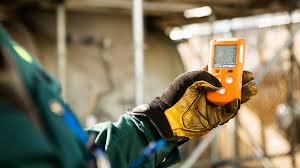
  • Gas Detection & Atmospheric Testing: Learning to use, calibrate, and interpret gas detection equipment.
  • Respiratory Protective Equipment (RPE): Selecting and using Self-Contained Breathing Apparatus (SCBA), Supplied Air Breathing Apparatus (SABA), and Air-Purifying Respirators (APR).
  • Rescue Planning & Emergency Procedures: Developing and implementing rescue plans for hazardous atmosphere incidents.
  • Incident Reviews & Case Studies: Examining real-world hazardous atmosphere incidents to reinforce key safety lessons.

✅ Upon Completion:

Upon successful completion of the **ACTI Hazardous Atmosphere Detection and Control (HAT) Training Program**, participants will be able to:

  • Understand and apply National and Provincial OH&S regulations and CSA standards related to hazardous atmospheres.
  • Recognize hazardous atmospheres and assess risks associated with oxygen deficiency, toxic gases, flammable vapors, and chemical exposure.
  • Conduct atmospheric testing and monitor workplace conditions using gas detection equipment.
  • Implement hazard control measures, including ventilation, purging, inerting, and administrative controls.
  • Select and properly use respiratory protective equipment (RPE) for safe entry into hazardous environments.
  • Develop and follow emergency response procedures, including evacuation and rescue plans.
  • Pass a written knowledge assessment (minimum 80%) and successfully complete the practical skills evaluation.

Upon meeting all course requirements, participants will receive an **ACTI Hazardous Atmosphere Detection and Control (HAT) Certification**, recognized across **Canada**, ensuring they are qualified to safely work in **environments with hazardous atmospheric conditions**.

🔍 Click to Expand: Detection and Control of Flammable Substances Training Overview

The **Detection and Control of Flammable Substances Training Program** provides participants with the **knowledge and skills necessary to recognize, detect, and mitigate risks** associated with **flammable gases and vapors** in industrial settings. This course integrates **fire watch procedures and gas detection technology** to ensure workers can safely operate in **environments where flammable substances may be present**.

Participants will gain an understanding of **fire and explosion hazards, gas monitoring equipment, regulatory requirements, and emergency response strategies**. The course covers **hot work permitting, fire prevention, gas detection methods, and hazard control measures** in compliance with **OH&S legislation, industry standards (NFPA, CSA), and site-specific safety protocols**.

📌 Key Learning Modules:

  • Introduction to Flammable Substances: Understanding properties, classifications, and ignition risks.
  • Legislation and Industry Standards: Compliance with OH&S Act, National Fire Code, NFPA 51B, and CSA gas detection standards.
  • Flammable Gas Detection Methods: Using tube-type and electronic gas detectors, sensor calibration, and maintenance.
  • Fire Prevention and Hot Work Controls: Hot work permitting, fire watch responsibilities, and fire-resistant barriers.
  • Emergency Response and Hazard Mitigation: Alarm recognition, safe evacuation, and risk assessment strategies.

✅ Upon Completion:

Upon successful completion of the **Detection and Control of Flammable Substances Training Program**, participants will be able to:

  • Identify flammable substances and understand their associated hazards.
  • Interpret gas detection readings and apply control measures to prevent ignition.
  • Use and maintain gas detection equipment, including proper calibration and testing.
  • Recognize and mitigate fire and explosion risks associated with hot work.
  • Follow regulatory requirements for fire watch and flammable substance control.
  • Respond effectively to gas alarms and implement emergency procedures.
  • Pass a written knowledge assessment (minimum 80%) and successfully complete the practical skills evaluation.

Upon meeting all course requirements, participants will receive a **Detection and Control of Flammable Substances Certification**, recognized across **Canada**, ensuring they are qualified to safely work in **environments where flammable substances are present**.

🔍 Click to Expand: ACTI Wildlife Awareness Training Overview

📌 ACTI Wildlife Awareness Training Overview

The ACTI Wildlife Awareness Training Program is designed to provide workers with the knowledge and skills required to recognize and respond to wildlife encounters in remote or wilderness work environments. This training aligns with Occupational Health & Safety (OH&S) regulations and industry best practices, ensuring compliance and workplace safety.
Participants will learn to identify wildlife hazards, implement avoidance strategies, properly use deterrents, and respond effectively to encounters with various species. The course covers bear awareness, cougars, wolves, moose, foxes, and other wildlife safety considerations.

🔹 Key Learning Modules:

  • Legislation & Compliance: Understanding OH&S regulations and employer responsibilities for wildlife safety.
  • Recognizing Wildlife Hazards: Identifying animal tracks, scat, signs of recent activity, and high-risk areas.
  • Bear Awareness: Behavior, habitat, avoiding encounters, and response to black and grizzly bear encounters.
  • Cougars, Wolves, and Lynx: Identifying predatory animal behavior and proper response to encounters.
  • Moose, Caribou, and Other Species: Safe work practices around large herbivores in the wild.
  • Wildlife Deterrents: Proper use of bear spray, noisemakers, air horns, and other deterrent strategies.
  • Emergency Response & Reporting: Steps to take if wildlife is aggressive, injured, or present in the work area.
  • Working in Bear Country: Best practices for camps, food storage, garbage management, and reducing attractants.

✅ Upon Completion:

Participants will be able to:

  • Understand and apply OH&S regulations and industry standards for wildlife awareness.
  • Identify animal tracks, scat, and habitat indicators to assess wildlife presence.
  • Implement avoidance strategies to minimize wildlife encounters in remote work locations.
  • Respond appropriately to bear, cougar, wolf, and other wildlife encounters.
  • Demonstrate safe use of wildlife deterrents such as bear spray and noisemakers.
  • Follow best practices for working safely in bear country, including food and waste management.
  • Report wildlife hazards and respond effectively to emergency situations.
  • Pass a written knowledge assessment (minimum 80%) and successfully complete the practical evaluation.

Participants who meet all course requirements will receive an ACTI Wildlife Awareness Certification, recognized across Canada, ensuring they are qualified to work safely in wildlife-prone environments, including forestry, oil and gas, remote construction, and environmental fieldwork.

🔍 Click to Expand: Basic Rigging Training Overview

📌 Basic Rigging Training Overview

The ACTI Basic Rigging Training Program provides essential knowledge and hands-on skills for personnel involved in rigging and lifting operations. This training aligns with Occupational Health & Safety (OH&S) regulations, CSA Z150 & Z259 standards, and industry best practices, ensuring compliance and workplace safety.
🔹 Key Learning Modules:

  • Legislation & Compliance: Understanding OH&S regulations, CSA standards, and employer responsibilities for rigging safety.
  • Load Weight & Center of Gravity: Calculating load weight, center of gravity, and load distribution for safe lifting.
  • Sling Angles & Stresses: Understanding sling angles, stress calculations, and their impact on lifting capacity.
  • Sling Hitches & Rigging Configurations: Applying vertical, choker, and basket hitches for different load types.
  • Types of Slings & Rigging Hardware: Identifying and inspecting synthetic, wire rope, and chain slings, as well as shackles, eye bolts, and hooks.
  • Inspection Procedures & Defective Equipment: Conducting pre-use inspections and recognizing wear, damage, and removal criteria for rigging equipment.
  • Crane Communication & Signaling: Learning standard hand signals, voice communication, and signaling responsibilities for safe crane operations.
  • Load Control & Tagline Operations: Understanding the use of taglines for load stabilization, avoiding uncontrolled movement, and managing wind forces.

✅ Upon Completion:

  • Understand and apply OH&S and CSA regulations related to rigging safety and equipment use.
  • Identify and inspect rigging components, including slings, shackles, and lifting devices.
  • Perform load calculations, including determining load weight, center of gravity, and sling angles.
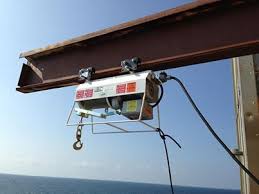
  • Select and apply the correct rigging configuration for various lifting scenarios.
  • Communicate effectively with crane operators using standard hand and voice signals.
  • Recognize and remove defective rigging equipment to ensure safe lifting operations.
  • Pass a written knowledge assessment (minimum 80%) and successfully demonstrate practical rigging skills.

Participants who meet all course requirements will receive an ACTI Basic Rigging Certification, recognized across Canada, ensuring they are qualified to perform safe and compliant rigging operations in industrial, construction, and maintenance environments.

🔍 Click to Expand: Advanced Rigging Training Overview

📌 Advanced Rigging Training Overview

The ACTI Advanced Rigging Training Program is designed to provide experienced riggers with the knowledge and hands-on skills required for complex rigging operations. This training ensures compliance with Occupational Health & Safety (OH&S) regulations, CSA Z150 & Z259 standards, and industry best practices. Participants will gain a deeper understanding of advanced rigging techniques, load dynamics, and crane considerations to enhance workplace safety and efficiency.

🔹 Key Learning Modules:

  • Legislation & Compliance: Understanding OH&S regulations, CSA standards, and employer responsibilities for advanced rigging safety.
  • Load Weight Estimation: Advanced techniques for calculating load weight, center of gravity, and rigging configurations for complex lifts.
  • Sling Angles & Stresses: Calculating sling stress, load angle factors, and weight distribution in multi-leg bridle hitches.
  • Center of Gravity & Load Stability: Determining and adjusting rigging configurations for off-center loads.
  • Advanced Sling Hitches & Rigging Configurations: Proper application of multi-point rigging, equalizing slings, and load drifting techniques.
  • Hardware & Below-the-Hook Lifting Devices: Selection, inspection, and safe use of shackles, lifting beams, spreader bars, and plate clamps.
  • Crane Considerations & Communication: Understanding crane dynamics, load charts, and advanced crane signaling for precision lifts.
  • Field Level Risk Assessment: Identifying hazards, mitigating risks, and implementing safe lifting procedures.
  • Load Control & Tagline Operations: Utilizing taglines to control load swing, avoid rotation, and safely position loads in confined spaces.

✅ Upon Completion:

  • Understand and apply OH&S and CSA regulations related to advanced rigging operations.
  • Identify and inspect complex rigging components, including slings, shackles, and lifting devices.
  • Perform advanced load calculations, including determining weight, center of gravity, and sling angles.
  • Select and apply specialized rigging configurations for critical lifts and unconventional loads.
  • Manage crane dynamics and communicate effectively with crane operators using standard hand and voice signals.
  • Implement load control techniques using taglines to mitigate swinging, rotating, and load stabilization challenges.
  • Pass a written knowledge assessment (minimum 80%) and successfully demonstrate practical rigging skills in an advanced setting.

Participants who meet all course requirements will receive an ACTI Advanced Rigging Certification, recognized across Canada, ensuring they are qualified to conduct complex and high-risk rigging operations in industrial, construction, and maintenance environments.

🔍 Click to Expand: Lift Director Training Overview

The **ACTI Lift Director Training Program** is designed to equip individuals with the **knowledge and skills necessary to oversee crane and lifting operations safely and effectively**. This training aligns with **Alberta OH&S regulations, ASME P30.1 standards, and industry best practices**, ensuring compliance and operational efficiency.

Participants will learn how to **plan, supervise, and execute lifting operations while managing risks, ensuring crew safety, and maintaining regulatory compliance**. The course covers **lift categorization, risk assessment, exclusion zones, crane inspections, and emergency procedures**.

📌 Key Learning Modules:

  • Regulatory Standards & Compliance: Understanding OH&S requirements, ASME P30.1, and employer responsibilities.
  • Lift Planning & Risk Assessment: Developing and implementing standard and critical lift plans.
  • Crane Inspections & Equipment Maintenance: Performing pre-use, routine, and periodic inspections to ensure compliance.
  • Exclusion Zones & Safety Protocols: Implementing safe work procedures to protect workers and prevent unauthorized access.
  • Communication & Coordination: Establishing clear communication methods between crane operators, signal persons, and ground crews.
  • Emergency Preparedness & Incident Response: Developing contingency plans and responding to lift-related emergencies.

✅ Upon Completion:

Upon successfully completing the **ACTI Lift Director Training Program**, participants will be able to:

  • ✅ **Understand and apply** Alberta OH&S regulations, ASME P30.1, and CSA standards related to lift planning and supervision.
  • ✅ **Categorize lifts** as standard or critical and develop appropriate lift plans.
  • ✅ **Conduct crane inspections** and ensure compliance with pre-use and periodic inspection requirements.
  • ✅ **Establish and enforce exclusion zones** to prevent unauthorized personnel from entering high-risk areas.
  • ✅ **Coordinate lift activities** and maintain effective communication between all personnel involved.
  • ✅ **Develop and execute emergency action plans** for equipment failures, environmental hazards, and personnel safety incidents.
  • ✅ **Pass a written knowledge assessment** (minimum 80%) and successfully complete the practical skills evaluation.

Participants who meet all course requirements will receive an **ACTI Lift Director Certification**, recognized across **Canada**, ensuring they are qualified to oversee and manage **safe and efficient lifting operations in industrial and construction environments**.

🔍 Click to Expand: ACTI Overhead Crane Training Overview

📌 ACTI Overhead Crane Training Overview

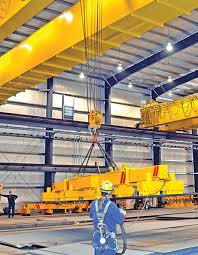
The ACTI Overhead Crane Training Program is designed to equip operators with the knowledge and skills required to safely operate overhead cranes. This training aligns with Occupational Health & Safety (OH&S) regulations, CSA B167 standards, and industry best practices, ensuring compliance and workplace safety.

Participants will learn to identify crane components, perform pre-use inspections, operate cranes safely, and apply proper load handling techniques. The course covers crane anatomy, rigging considerations, safe operations, hazard identification, and emergency response.

🔹 Key Learning Modules:

  • Legislation & Standards: Understanding OH&S regulations, CSA B167, and employer/operator responsibilities.
  • Overhead Crane Components & Functions: Identifying key parts such as hoists, trolleys, bridge, and controls.
  • Pre-Use Inspection: Checking wire rope integrity, load hooks, electrical connections, and operational safety.
  • Safe Crane Operation: Understanding load charts, lifting capacity, movement control, and operator signaling.
  • Basic Rigging Considerations: Selecting appropriate slings, shackles, hooks, and hitches for lifting loads.
  • Load Control & Tagline Use: Managing swinging, rotation, and positioning of loads using taglines.
  • Hazard Identification & Risk Mitigation: Recognizing site hazards, exclusion zones, and fall zones.
  • Emergency Procedures: Responding to crane malfunctions, dropped loads, and power failures.

✅ Upon Completion:

Participants will be able to:

  • Understand and apply OH&S and CSA standards for overhead crane operations.
  • Identify and inspect overhead crane components before use.
  • Perform safe lifting and rigging operations while maintaining load balance and stability.
  • Manage load control using taglines and proper rigging techniques.
  • Recognize and mitigate site hazards to ensure workplace safety.
  • Follow emergency response protocols in case of equipment malfunction.
  • Conduct basic troubleshooting and report issues for corrective action.
  • Pass a written knowledge assessment (minimum 80%) and successfully complete the practical evaluation.

Participants who meet all course requirements will receive an ACTI Overhead Crane Certification, recognized across Canada, ensuring they are qualified to operate overhead cranes safely in industrial, construction, and warehouse environments.

🔍 Click to Expand: Overhead Crane & Rigging Training Overview

The ACTI Overhead Crane & Rigging Training Program is designed to provide participants with the comprehensive knowledge and practical skills required for the safe operation and inspection of overhead cranes and rigging systems. This program emphasizes compliance with industry standards, CSA guidelines, and safety regulations to ensure efficient and secure lifting operations.

Throughout the course, participants will learn how to perform pre-use inspections, properly rig loads, handle equipment safely, and identify potential hazards associated with crane operations in industrial and construction environments.

📌 Key Learning Modules:

  • Legislation, Codes, & Standards: Understanding the regulatory framework, employer and worker responsibilities, and applicable CSA standards.
  • Introduction & Types of Overhead Cranes: Exploring various crane types, their components, and the principles of safe operation.
  • Anatomy & Inspection: Identifying key crane components and conducting routine inspections to maintain operational safety.
  • Rigging Considerations: Learning about rigging hardware, load calculations, and proper rigging techniques to secure loads safely.
  • Operational Practices: Mastering crane operation procedures, effective load handling, and communication protocols during lifts.
  • Hazard Recognition & Mitigation: Identifying potential risks and implementing control measures to minimize hazards during operations.

✅ Upon Completion:

  • ✅ **Understand and apply** safety regulations and industry standards for overhead crane operations.
  • ✅ **Conduct thorough pre-use inspections** to ensure equipment is safe for operation.
  • ✅ **Implement proper rigging practices** and load handling techniques.
  • ✅ **Recognize potential hazards** and apply appropriate mitigation strategies.
  • ✅ **Execute emergency response procedures** effectively during critical lifts.
  • ✅ **Demonstrate proficiency** through written assessments and practical evaluations.

Successful completion of this program certifies that participants are qualified to operate overhead cranes and manage rigging tasks in accordance with industry best practices, ensuring a safe work environment in industrial and construction settings.

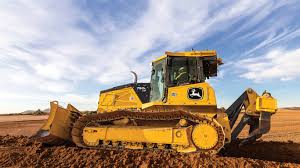
🔍 Click to Expand: Bulldozer Operator Training Overview

The ACTI Bulldozer Operator Training Program is designed to provide participants with the essential knowledge and skills required to safely and efficiently operate a bulldozer. This course aligns with Occupational Health & Safety (OH&S) requirements and CSA standards, ensuring that operators understand both the technical aspects of the machine and the critical safety procedures needed to minimize field incidents.

Through interactive modules and hands-on assessments, participants will learn about the machine’s anatomy, pre-start inspection protocols, safe operational techniques, and the importance of following standardized procedures. The training covers both the theoretical foundations—such as legislation, personal and machine responsibilities—and practical aspects like component inspection, stability, maneuvering on slopes, and effective communication on the worksite.

📌 Key Learning Modules:

  • Introduction & Legislation: Overview of the legal requirements, OH&S responsibilities, and standards governing bulldozer operations.
  • Anatomy & Components: Detailed review of the interior and exterior components, including controls, safety devices, the engine, hydraulic systems, tracks, blades, and attachments.
  • Pre-Start Inspection: Step-by-step guidelines for conducting thorough pre-shift inspections to identify and address potential hazards.
  • Safe Operation Techniques: Instruction on maintaining stability, proper machine handling, and adhering to safe work practices on various terrains and conditions.
  • Hazard Recognition & Accident Prevention: Analysis of common hazards, real accident case studies, and strategies to avoid or mitigate risks during operations.
  • Emergency Procedures & Communication: Best practices for effective communication on the worksite, the use of safety signals, and procedures for emergency situations.

✅ Upon Completion:

  • Understand the legislative framework, standards, and responsibilities of both employers and operators.
  • Perform pre-start inspections and daily maintenance checks to ensure equipment integrity and readiness.
  • Operate a bulldozer safely in a variety of worksite conditions, including on slopes and uneven terrain.
  • Recognize and mitigate common hazards to prevent accidents and injuries in the field.
  • Demonstrate proficiency in the proper use of personal protective equipment (PPE) and emergency protocols.

Successful completion of this course is evaluated through a written exam and a practical demonstration of safe bulldozer operation. Participants who pass will be awarded a certification recognized across the industry, validating their competency and commitment to safety in heavy equipment operations.

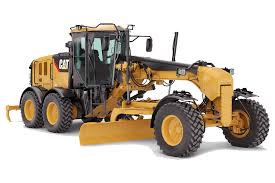
🔍 Click to Expand: Grader Operator Training Overview

The ACTI Grader Operator Training Program is designed to equip operators with the essential knowledge and skills required to safely and efficiently operate graders (also known as road graders or motor graders). This course is aligned with Occupational Health & Safety (OH&S) requirements and CSA standards, ensuring that operators understand both the technical and safety aspects of grader operations.

Throughout the training, participants will review the legal framework governing grader operations, learn to perform thorough pre-shift inspections, and master the safe operation of the machine. Emphasis is placed on understanding grader anatomy, proper use of personal protective equipment (PPE), and best practices for maneuvering in diverse work environments.

📌 Key Learning Modules:

  • Introduction, Legislation & Standards: Overview of applicable OH&S regulations, CSA and ANSI standards, and the roles and responsibilities of employers and operators.
  • Anatomy & Components: Detailed examination of grader components (both interior and exterior), including controls, safety devices, and key inspection points for pre-shift checks.
  • Pre-Start Inspection: Step-by-step guidance on performing pre-use inspections, both with the engine off and on, to ensure machine integrity and prevent hazards.
  • Safe Operations & Stability: Best practices for safe machine operation, focusing on maintaining stability, understanding the center of gravity, and working safely on slopes and uneven terrain.
  • Hazard Recognition & Accident Prevention: Analysis of common hazards, case studies of real-world accidents, and strategies to minimize risks associated with grader operation.
  • Emergency Procedures & Communication: Effective communication techniques, use of hand signals, and procedures for emergency stops and other critical responses.

✅ Upon Completion:

  • Understand the legislative framework and industry standards governing grader operations.
  • Conduct thorough pre-shift inspections to ensure equipment safety and compliance with maintenance schedules.
  • Operate graders safely by applying proven techniques for stability, maneuvering, and hazard awareness.
  • Recognize and mitigate common hazards through real-world examples and safety best practices.
  • Demonstrate proficiency in emergency procedures, effective communication, and the use of personal protective equipment (PPE).

Successful completion of the course is measured by a written exam (with an 80% pass mark) and a practical demonstration of safe grader operation. Graduates receive a certification recognized by industry professionals, signifying their competency in safely operating graders on job sites.

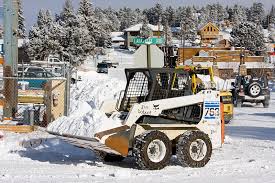
🔍 Click to Expand: ACTI Skid Steer Training Overview

📌 ACTI Skid Steer Training Overview

The ACTI Skid Steer Training Program is designed to provide operators with the knowledge and skills required to safely and efficiently operate a skid steer loader. This training aligns with Occupational Health & Safety (OH&S) regulations, CSA standards, and industry best practices, ensuring compliance and workplace safety.

Participants will learn to conduct pre-use inspections, identify operational hazards, apply safe operating techniques, and respond to emergency situations. The course covers equipment components, stability principles, site safety, and maintenance procedures.

🔹 Key Learning Modules:

  • Legislation & Standards: Understanding OH&S regulations, CSA standards, and employer/operator responsibilities.
  • Skid Steer Anatomy & Components: Identifying key machine components and their functions.
  • Pre-Use Inspections: Conducting daily checks to ensure safe equipment operation.
  • Safe Operating Techniques: Understanding load balancing, terrain navigation, and maneuvering in confined spaces.
  • Stability & Load Management: Avoiding tip-overs, center of gravity awareness, and handling various load types.
  • Hazard Identification & Risk Mitigation: Recognizing and controlling site hazards, including pedestrian and equipment interactions.
  • Attachments & Proper Use: Safely operating different skid steer attachments for material handling and grading.
  • Emergency Procedures & Response: Handling equipment malfunctions, rollover prevention, and safe shutdown protocols.

✅ Upon Completion:

Participants will be able to:

  • Understand and apply OH&S and CSA regulations related to skid steer operations.
  • Identify machine components and explain their functions.
  • Conduct pre-use inspections and recognize equipment defects.
  • Safely operate a skid steer, including maneuvering, load handling, and attachment use.
  • Maintain machine stability by understanding weight distribution and terrain risks.
  • Recognize and mitigate job site hazards to prevent incidents.
  • Follow emergency shutdown and response procedures in case of equipment failure.
  • Pass a written knowledge assessment (minimum 80%) and successfully complete the practical evaluation.

Participants who meet all course requirements will receive an ACTI Skid Steer Certification, recognized across Canada, ensuring they are qualified to operate skid steers safely in industrial, construction, and agricultural environments.

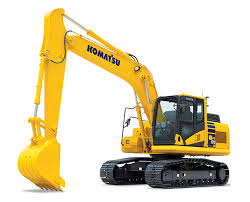
🔍 Click to Expand: ACTI Excavator Training Overview

📌 ACTI Excavator Training Overview

The ACTI Excavator Training Program is designed to provide workers with the knowledge and practical skills required to safely operate excavators in compliance with Occupational Health & Safety (OH&S) regulations, CSA standards, and industry best practices. This training ensures operators understand safe excavator operation, hazard recognition, and workplace responsibilities.

Participants will learn how to conduct pre-use inspections, operate an excavator safely, recognize common hazards, and follow industry regulations. The course covers excavator components, stability principles, site safety, and emergency procedures.

🔹 Key Learning Modules:

  • Legislation & Standards: Understanding OH&S regulations, CSA standards, and employer responsibilities.
  • Excavator Anatomy & Components: Identifying key components, their functions, and maintenance procedures.
  • Pre-Use Inspections: Conducting safety checks, identifying defects, and ensuring proper machine functionality.
  • Excavator Stability & Safe Operations: Understanding balance, load limits, and best practices for stability.
  • Hazard Identification & Risk Mitigation: Recognizing potential site hazards, including underground utilities and unstable terrain.
  • Controls & Maneuvering Techniques: Operating controls, maneuvering safely, and handling loads effectively.
  • Site Safety & Traffic Management: Maintaining safe distances, working around personnel, and setting up job sites correctly.
  • Emergency Procedures & Incident Response: Handling equipment malfunctions, emergency shutdowns, and operator safety.

✅ Upon Completion:

Participants will be able to:

  • Understand and apply OH&S and CSA regulations regarding excavator operations.
  • Identify excavator components and explain their functions.
  • Conduct thorough pre-use inspections to ensure equipment is safe to operate.
  • Demonstrate safe excavator operation, including maneuvering and load handling.
  • Recognize and mitigate job site hazards to prevent incidents and injuries.
  • Maintain excavator stability by understanding weight distribution and load limits.
  • Follow emergency shutdown procedures and respond appropriately to incidents.
  • Pass a written knowledge assessment (minimum 80%) and successfully complete the practical evaluation.

Participants who meet all course requirements will receive an ACTI Excavator Certification, recognized across Canada, ensuring they are qualified to operate excavators safely in industrial, construction, and excavation environments.

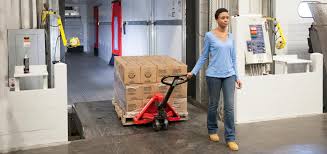
🔍 Click to Expand: ACTI Pallet Jack Training Overview

📌 ACTI Pallet Jack Training Overview

The ACTI Pallet Jack Training Program is designed to provide workers with the knowledge and skills necessary to safely operate, inspect, and maintain manual and electric pallet jacks. This training aligns with Occupational Health & Safety (OH&S) regulations, CSA standards, and industry best practices, ensuring compliance and workplace safety.

Participants will learn to identify pallet jack components, perform pre-use inspections, execute safe operation techniques, and recognize common hazards. The course covers legislation, stability principles, load handling, emergency response, and workplace safety measures.

📌 Course Structure

  • Duration: 4-6 hours (varies based on experience level).
  • Delivery Method: Presentations, discussions, written exams, and practical evaluations.
  • Assessment: Written test (minimum 80% pass mark) and practical demonstration of pallet jack operation.

📌 Key Learning Modules

🔹 1. Legislation & Safety Standards

  • Understanding OH&S regulations, CSA safety standards, and employer/worker responsibilities.
  • Reviewing site-specific safety rules and legal compliance.

🔹 2. Pallet Jack Components & Stability Principles

  • Identifying key pallet jack parts, control systems, and attachments.
  • Understanding load stability, center of gravity, and weight distribution.
  • Reviewing the impact of terrain, slopes, and dynamic conditions.

🔹 3. Safe Pallet Jack Operation

  • Pre-use inspection procedures and maintenance checks.
  • Proper mounting, dismounting, and control operations.
  • Techniques for safe load handling, lifting, and traveling with loads.
  • Emergency procedures and hazard recognition.

🔹 4. Common Hazards & Risk Mitigation

  • Recognizing hazards such as tip-overs, falling loads, pedestrian collisions, and unstable pallets.
  • Understanding the importance of PPE (steel-toed boots, gloves, etc.).
  • Safe operating practices for inclines, wet surfaces, and tight spaces.

📌 Why Choose ACTI Pallet Jack Training?

  • Regulatory Compliance: Meets CSA and OH&S safety requirements.
  • Hands-On Learning: Practical exercises for real-world application.
  • Comprehensive Safety Training: Covers equipment, procedures, and operational best practices.
  • Certification & Tracking: Automated progress tracking and instant certification upon successful completion.

📌 Getting Started

  • Enroll in Your Course – Choose the ACTI Pallet Jack Training program and get started.
  • Complete Training – Engage with interactive content, assessments, and instructor-led sessions.
  • Earn Certification – Upon successful completion, receive your certification for compliance and career advancement.

Ready to get started? Enroll today and take the next step in workplace safety!

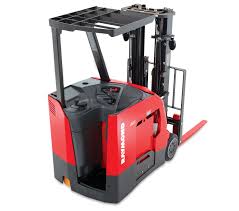
🔍 Click to Expand: ACTI Forklift Training Overview

📌 ACTI Forklift Training Overview

The ACTI Forklift Training Program is designed to provide workers with the knowledge and skills necessary to safely operate, inspect, and maintain a forklift. This training aligns with Occupational Health & Safety (OH&S) regulations, CSA standards, and industry best practices, ensuring compliance and workplace safety.

Participants will learn to identify forklift components, perform pre-use inspections, execute safe operation techniques, and recognize common hazards. The course covers legislation, stability principles, load handling, emergency response, and workplace safety measures.

📌 Course Structure

  • Duration: 6 to 8 hours (varies based on experience level)
  • Delivery Method: Interactive presentations, discussions, videos, written exams, and hands-on practical evaluations.
  • Assessment: Written test (minimum 80% pass mark) and practical demonstration of forklift operation.

📌 Key Learning Modules

🔹 1. Legislation & Safety Standards

  • Understanding OH&S regulations, CSA B335 safety standards, and employer/worker responsibilities.
  • Reviewing site-specific safety rules and legal compliance.

🔹 2. Forklift Components & Stability Principles

  • Identifying key forklift parts, control systems, and attachments.
  • Understanding stability principles, load center, and counterweight balance.
  • Reviewing the impact of dynamic conditions (turning, braking, and uneven terrain).

🔹 3. Safe Forklift Operation

  • Pre-use inspection procedures and maintenance checks.
  • Proper mounting, dismounting, and control operations.
  • Techniques for safe load handling, lifting, and traveling with loads.
  • Emergency procedures and hazard recognition.

🔹 4. Common Hazards & Risk Mitigation

  • Recognizing hazards such as tip-overs, falling loads, pedestrian collisions, and maintenance failures.
  • Learning emergency response techniques and accident prevention strategies.
  • Understanding workplace distractions, fatigue, and environmental factors affecting forklift operation.

📌 Why Choose ACTI Forklift Training?

  • Regulatory Compliance: Meets CSA and OH&S safety requirements.
  • Hands-On Learning: Practical exercises for real-world application.
  • Comprehensive Safety Training: Covers equipment, procedures, and operational best practices.
  • Certification & Tracking: Automated progress tracking and instant certification upon successful completion.

📌 Getting Started

  • Call ACTI for Access – Contact our team to set up your account and receive promo coupon codes.
  • Enroll in Your Course – Choose the ACTI Forklift Training program and get started.
  • Complete Training – Engage with interactive content, assessments, and instructor-led sessions.
  • Earn Certification – Upon successful completion, receive your certification for compliance and career advancement.

📌 Contact ACTI for Access & Promo Coupons

ACTI provides exclusive discount coupon codes for union members, industry partners, and corporate customers.

📞 Call Now: 587 340 3849

📧 Email: Office@actiedmonton.ca

Ready to get started? Contact ACTI today to activate your access!

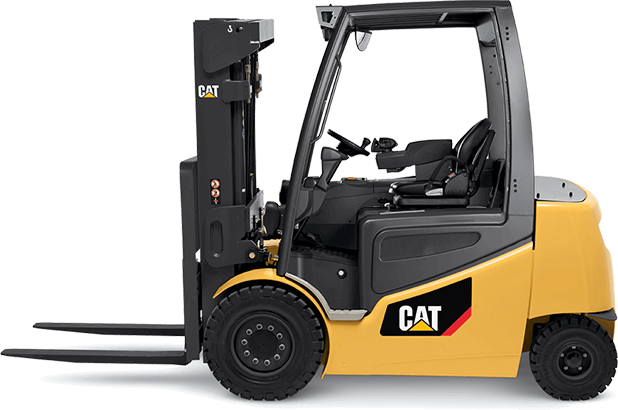
🔍 Click to Expand: Lift Truck Training Overview

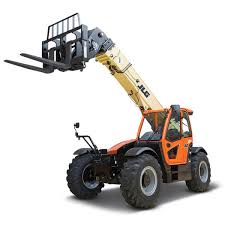
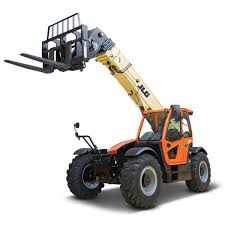
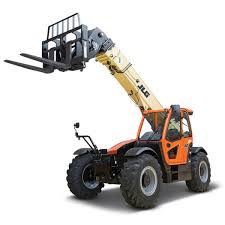
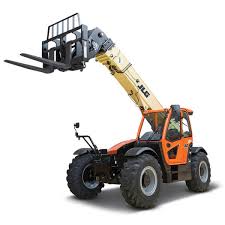
The **ACTI Lift Truck Training Program** is designed to provide participants with the **knowledge and skills necessary to safely operate counterbalance and telescopic forklifts in various work environments**. This training aligns with **Alberta OH&S regulations, CSA B335 standards, and industry best practices**, ensuring compliance and workplace safety.

Participants will learn how to **conduct equipment inspections, operate lift trucks safely, handle loads correctly, and recognize hazards associated with lift truck operations**. The course covers **forklift classifications, stability principles, safe operating procedures, hazard awareness, and emergency response**.

📌 Key Learning Modules:

  • Regulatory Standards & Compliance: Understanding OH&S requirements, CSA B335 standards, and employer/worker responsibilities.
  • Lift Truck Anatomy & Components: Identifying key components, performing pre-use inspections, and understanding load capacity.
  • Stability, Load Handling & Weight Estimation: Learning about center of gravity, balance principles, and proper load handling.
  • Safe Operation & Driving Techniques: Maneuvering in various conditions, operating in high-traffic areas, and avoiding tip-overs.
  • Common Hazards & Risk Prevention: Recognizing potential dangers such as pedestrian collisions, load instability, and power line contact.
  • Emergency Preparedness & Incident Response: Implementing safe shutdown procedures, parking protocols, and emergency response planning.

✅ Upon Completion:

Upon successfully completing the **ACTI Lift Truck Training Program**, participants will be able to:

  • ✅ **Understand and apply** OH&S regulations, CSA B335 standards, and site-specific lift truck requirements.
  • ✅ **Conduct pre-use inspections** and recognize defects that require maintenance or repair.
  • ✅ **Safely operate counterbalance and telescopic forklifts** while maintaining stability and handling loads correctly.
  • ✅ **Recognize common lift truck hazards** and implement best practices to prevent workplace incidents.
  • ✅ **Develop and follow emergency response plans** for lift-related incidents and equipment failures.
  • ✅ **Pass a written knowledge assessment** (minimum 80%) and successfully complete the practical evaluation.

Participants who meet all course requirements will receive an **ACTI Lift Truck Operator Certification**, recognized across **Canada**, ensuring they are qualified to operate lift trucks safely in **construction, industrial, and warehouse environments**.

🔍 Click to Expand: PortaCount Respirator Fit Testing Training Overview

The PortaCount Respirator Fit Testing Training Program is designed to equip professionals with the essential knowledge and skills required to accurately conduct respirator fit tests using the PortaCount® Pro and Pro+ fit testers. This comprehensive course ensures adherence to safety standards and provides a robust understanding of equipment operation, daily checks, maintenance, and troubleshooting.

Participants will learn how to set up, operate, and manage the PortaCount fit testing systems. The course covers topics such as equipment unpacking, calibration, conducting fit tests, recording results, and using advanced database tools to manage fit test data effectively.

📌 Key Learning Modules:

  • Introduction & Overview: Understanding the purpose of respirator fit testing, the significance of proper respirator fit, and an overview of the PortaCount® Pro and Pro+ systems.
  • Equipment Setup & Operation: Step-by-step instructions on unpacking, verifying shipment, setting up the tester, and navigating the touch screen interface, sampling ports, and electrical connections.
  • Conducting Fit Tests: Detailed procedures for preparing the tester (including filling the alcohol cartridge and attaching flash drives), running daily checks, and executing the fit test protocol with precision.
  • Data Management & Reporting: Guidance on selecting databases, recording fit test results, and generating detailed reports using advanced database tools and FitPro+ software.
  • Maintenance & Troubleshooting: Essential practices for routine maintenance, calibration, nozzle cleaning, and resolving common operational issues to ensure optimal performance.

✅ Upon Completion:

Participants who successfully complete the PortaCount Respirator Fit Testing Training Program will be able to:

  • Operate and maintain the PortaCount fit testers in both stand-alone and external control modes.
  • Conduct comprehensive fit tests following industry standards and regulatory guidelines.
  • Perform daily checks and troubleshooting to ensure accurate and reliable test results.
  • Manage and analyze fit test data effectively using advanced database tools and generate detailed reports.
  • Apply best practices in respirator fit testing to enhance workplace respiratory protection programs.

Upon meeting all course requirements, participants will receive a PortaCount Respirator Fit Testing Certification, recognized by industry professionals as a mark of proficiency in quantitative respirator fit testing and safety.

🔍 Click to Expand: ACTI Respiratory Protective Equipment (RPE) Training Overview

📌 ACTI Respiratory Protective Equipment (RPE) Training Overview

The ACTI Respiratory Protective Equipment (RPE) Training Program is designed to provide workers with the knowledge and skills necessary to correctly use, inspect, and maintain respiratory protective equipment in compliance with OH&S regulations, CSA Z94.4 standards, and industry best practices. This course ensures participants understand the importance of respiratory protection in hazardous work environments.

Participants will learn to identify respiratory hazards, select appropriate RPE, perform fit testing, conduct pre-use inspections, and follow emergency procedures. The course covers legislation, types of respirators, maintenance, cleaning, and practical application.

🔹 Key Learning Modules:

  • Legislation & Standards: Understanding OH&S regulations, CSA Z94.4, and employer responsibilities for respiratory protection.
  • Types of Respiratory Protective Equipment: Identifying and selecting appropriate respirators, including SCBA and SABA.
  • Facial Requirements & Fit Testing: Proper fit testing techniques, facial hair policies, and ensuring a secure seal.
  • Inspection, Maintenance & Cleaning: Conducting pre-use checks, cleaning, storing, and maintaining respiratory equipment.
  • SCBA (Self-Contained Breathing Apparatus): Inspection, donning, doffing, and troubleshooting SCBA systems.
  • SABA (Supplied Air Breathing Apparatus): Understanding components, inspection, and safe operation.
  • Environmental Considerations: Operating in extreme temperatures, confined spaces, and oxygen-deficient atmospheres.
  • Emergency Response & Air Quality: Identifying IDLH (Immediately Dangerous to Life or Health) conditions and emergency procedures.

✅ Upon Completion:

Participants will be able to:

  • Understand and apply OH&S and CSA Z94.4 regulations regarding respiratory protection.
  • Identify respiratory hazards and determine the appropriate protective equipment.
  • Perform pre-use inspections and ensure RPE is functioning correctly.
  • Conduct proper fit testing using qualitative and quantitative methods.
  • Use SCBA and SABA safely, including donning, doffing, and air supply management.
  • Maintain, clean, and store RPE to ensure long-term usability and compliance.
  • Recognize and respond to emergency situations requiring respiratory protection.
  • Pass a written knowledge assessment (minimum 80%) and successfully complete the practical evaluation.

Participants who meet all course requirements will receive an ACTI Respiratory Protective Equipment (RPE) Certification, recognized across Canada, ensuring they are qualified to use and maintain respiratory protective equipment in industrial, construction, and hazardous work environments.

🔍 Click to Expand: ACTI Air Purifying Respirator (APR) Training Overview

📌 ACTI Air Purifying Respirator (APR) Training Overview

The ACTI Air Purifying Respirator (APR) Training Program is designed to equip workers with the knowledge and skills required to safely use, inspect, and maintain air-purifying respirators. This training aligns with Occupational Health & Safety (OH&S) regulations, CSA Z94.4 standards, and industry best practices, ensuring compliance and workplace safety.

Participants will learn to identify airborne contaminants, select appropriate APRs, perform fit testing, conduct pre-use inspections, and maintain respiratory equipment. The course covers filtration principles, cartridge selection, hazard assessment, and emergency procedures.

🔹 Key Learning Modules:

  • Legislation & Standards: Understanding OH&S regulations, CSA Z94.4, and employer responsibilities for respiratory protection.
  • Why Respiratory Protection? Identifying the need for APRs, health risks, and regulatory requirements.
  • Types of Air-Purifying Respirators: Full-face, half-face, disposable masks, and powered air-purifying respirators (PAPR).
  • Filtration & Cartridge Selection: Understanding filter types, gas/vapor cartridges, color coding, and assigned protection factors (APF).
  • Fit Testing & Facial Requirements: Performing qualitative and quantitative fit testing, facial hair policies, and ensuring a proper seal.
  • Pre-Use Inspection & Fit Checks: Identifying defects, conducting negative/positive pressure fit tests, and ensuring respirator functionality.
  • Storage, Maintenance & Cleaning: Proper cleaning, disinfection, storage, and replacement schedules for filters and cartridges.
  • Emergency Procedures & Limitations: Recognizing IDLH (Immediately Dangerous to Life or Health) atmospheres and APR limitations.

✅ Upon Completion:

Participants will be able to:

  • Understand and apply OH&S and CSA Z94.4 regulations regarding air-purifying respirators.
  • Identify airborne contaminants and select the appropriate respirator and filter/cartridge.
  • Perform pre-use inspections to ensure APRs are in proper working condition.
  • Conduct qualitative and quantitative fit testing to verify a secure and effective seal.
  • Properly don, doff, and adjust APRs for effective protection in hazardous environments.
  • Maintain, clean, and store APRs to ensure compliance with industry best practices.
  • Recognize APR limitations and identify situations where supplied-air respirators are required.
  • Pass a written knowledge assessment (minimum 80%) and successfully complete the practical evaluation.

Participants who meet all course requirements will receive an ACTI Air Purifying Respirator (APR) Certification, recognized across Canada, ensuring they are qualified to use and maintain air-purifying respirators in industrial, construction, and hazardous work environments.

🔍 Click to Expand: Temporary Steel Horizontal Lifeline Training Overview

The **MSA Gravity Sure-Line Temporary Steel Horizontal Lifeline Training Program** is designed to equip workers with the knowledge and skills required to safely install, inspect, and operate temporary steel horizontal lifeline systems. This training ensures compliance with CSA standards and industry best practices while emphasizing safe practices for fall protection during horizontal movement.

Participants will learn to identify appropriate applications, install the lifeline system correctly, conduct pre-use inspections, and perform proper maintenance. The course also covers system specifications, installation procedures, user instructions, inspection frequency, and emergency response guidelines for effective fall arrest during horizontal operations.

📌 Key Learning Modules:

  • Purpose & Application: Understanding the function of the MSA Sure-Line system and recognizing suitable work environments such as buildings, bridges, scaffolds, and elevated workstations.
  • System Specifications & Components: Familiarization with key components including lifelines, carabiners, energy absorbers, turnbuckles, and cable slings, along with CSA standard compliance.
  • Installation Instructions: Step-by-step guidance on assembling and tensioning the lifeline system, ensuring proper anchorage and adjustment for optimal safety.
  • User Instructions & Safe Operation: Best practices for pre-use checks, proper usage, and techniques to avoid common pitfalls such as cross-gate loading or over-tensioning.
  • Inspection, Maintenance & Care: Detailed procedures for daily inspections, annual evaluations by a competent person, and correct storage practices to extend the system's service life.
  • Emergency Response & Rescue Planning: Development of effective rescue strategies and understanding the importance of immediate response if a fall arrest event occurs.

✅ Upon Completion:

Participants who successfully complete the **MSA Gravity Sure-Line Training Program** will be able to:

  • Safely install and adjust the temporary steel horizontal lifeline system in accordance with manufacturer instructions and CSA standards.
  • Conduct thorough inspections and recognize signs of wear or damage that could compromise the system's integrity.
  • Properly use and maintain all components of the lifeline system, ensuring that equipment remains in safe working condition.
  • Implement emergency procedures and develop effective rescue plans in the event of a fall arrest incident.
  • Comply with regulatory requirements and adopt industry best practices for fall protection during horizontal movement.

Upon meeting all course requirements, participants will receive a Temporary Steel Horizontal Lifeline Certification, recognized as a mark of proficiency in safely managing and operating fall protection systems across diverse construction, industrial, and maintenance environments.

🔍 Click to Expand: ACTI Miller QuickPick Rescue Kit Training Overview

📌 ACTI Miller QuickPick Rescue Kit Training Overview

The ACTI Miller QuickPick Rescue Kit Training Program is designed to provide workers with the knowledge and skills necessary to safely deploy, inspect, and use the Miller QuickPick Rescue Kit. This training aligns with Occupational Health & Safety (OH&S) regulations, CSA standards, and industry best practices, ensuring compliance and workplace safety.

Participants will learn to set up the system, perform pre-use inspections, execute rescue procedures, and follow emergency response protocols. The course covers system configurations, installation, maintenance, anchorage requirements, and proper usage techniques.

📌 How the Miller QuickPick Rescue Kit Works

The Miller QuickPick Rescue Kit is a ready-to-use fall rescue system designed to safely retrieve a suspended worker in the event of a fall. It is ideal for work environments such as:

  • Construction and industrial maintenance
  • Scaffolding and elevated work platforms
  • Transmission towers and steel structures
  • Confined space rescue operations

🔹 1. System Configurations

  • Premium QuickPick Rescue Kit: Includes an integral backup braking system for enhanced safety.
  • Standard QuickPick Rescue Kit: Designed for experienced users managing rescue operations.

🔹 2. Installation & Safe Use

  • Properly securing the system to approved anchor points.
  • Ensuring all components are pre-assembled and inspected before deployment.
  • Executing a safe and controlled descent or ascent of a suspended worker.
  • Utilizing the backup braking system (Premium Kit) to prevent accidental descent.

🔹 3. Inspection & Maintenance

  • Performing pre-use and routine inspections on all system components.
  • Checking for damaged ropes, carabiners, and braking systems.
  • Proper storage and care to extend system longevity.
  • Following manufacturer guidelines for recertification and servicing.

📌 Why Choose ACTI’s Miller QuickPick Rescue Kit Training?

  • Regulatory Compliance: Meets CSA and OH&S safety requirements.
  • Hands-On Learning: Practical exercises for real-world application.
  • Emergency Preparedness: Training includes rescue planning and execution.
  • Certification & Tracking: Automated progress tracking and instant certification upon successful completion.

📌 Getting Started

  • Call ACTI for Access – Contact our team to set up your account and receive promo coupon codes.
  • Enroll in Your Course – Choose the Miller QuickPick Rescue Kit training program and get started.
  • Complete Training – Engage with interactive content, assessments, and instructor-led sessions.
  • Earn Certification – Upon successful completion, receive your certification for compliance and career advancement.

📌 Contact ACTI for Access & Promo Coupons

ACTI provides exclusive discount coupon codes for union members, industry partners, and corporate customers.

📞 Call Now: 780-381-5442

📧 Email: wade@actiedmonton.ca

Ready to get started? Contact ACTI today to activate your access!

🔍 Click to Expand: ACTI Miller TechLine Horizontal Lifeline System Training Overview

📌 ACTI Miller TechLine Horizontal Lifeline System Training Overview

The ACTI Miller TechLine Horizontal Lifeline System Training Program is designed to provide workers with the knowledge and skills necessary to safely install, inspect, and use the Miller TechLine Horizontal Lifeline System. This training aligns with Occupational Health & Safety (OH&S) regulations, CSA standards, and industry best practices, ensuring compliance and workplace safety.

Participants will learn to set up the system, perform pre-use inspections, operate the lifeline safely, and follow emergency response procedures. The course covers system specifications, installation, maintenance, anchorage requirements, and fall protection integration.

📌 How the Miller TechLine System Works

The Miller TechLine System is a temporary, two-person horizontal lifeline designed for use in elevated work environments such as:

  • Commercial construction projects
  • Roofing and residential applications
  • Scaffolding and transmission towers
  • Industrial maintenance settings

🔹 1. System Components

  • Cross-Arm Straps: Used to secure the system to an anchorage point.
  • Shock Absorber: Reduces fall impact forces to protect workers.
  • Adjustable Lifeline: 5/8” polyester rope designed for durability.
  • O-Rings & Carabiners: Secure connection points for harnesses.
  • RA30-2 Roof Anchors: Alternative anchorage option for roofing applications.

🔹 2. Installation & Safe Use

  • Properly securing the system to approved anchorage points.
  • Ensuring the lifeline is positioned at or above the D-ring on the harness.
  • Pre-tensioning the system to limit excessive sag.
  • Inspecting all components before each use.

🔹 3. Inspection & Maintenance

  • Performing pre-use and routine inspections on all system components.
  • Checking for damaged lifelines, carabiners, and energy absorbers.
  • Proper storage and care to extend system longevity.
  • Following manufacturer guidelines for component replacement.

📌 Why Choose ACTI’s Miller TechLine Training?

  • Regulatory Compliance: Meets CSA and OH&S safety requirements.
  • Hands-On Learning: Practical exercises for real-world application.
  • Fall Protection Integration: Training includes safe use with personal fall arrest systems.
  • Certification & Tracking: Automated progress tracking and instant certification upon successful completion.

📌 Getting Started

  • Call ACTI for Access – Contact our team to set up your account and receive promo coupon codes.
  • Enroll in Your Course – Choose the Miller TechLine training program and get started.
  • Complete Training – Engage with interactive content, assessments, and instructor-led sessions.
  • Earn Certification – Upon successful completion, receive your certification for compliance and career advancement.

📌 Contact ACTI for Access & Promo Coupons

ACTI provides exclusive discount coupon codes for union members, industry partners, and corporate customers.

📞 Call Now: 780-381-5442

📧 Email: wade@actiedmonton.ca

Ready to get started? Contact ACTI today to activate your access!

🔍 Click to Expand: ACTI Miller SkyGrip Horizontal Lifeline System Training Overview

📌 ACTI Miller SkyGrip Horizontal Lifeline System Training Overview

The ACTI Miller SkyGrip Horizontal Lifeline System Training Program is designed to provide workers with the knowledge and skills necessary to safely install, inspect, and use the Miller SkyGrip Horizontal Lifeline System. This training aligns with Occupational Health & Safety (OH&S) regulations, CSA standards, and industry best practices, ensuring compliance and workplace safety.

Participants will learn to set up the system, perform pre-use inspections, operate the lifeline safely, and follow emergency response procedures. The course covers system specifications, installation, maintenance, anchorage requirements, and fall protection integration.

📌 How the Miller SkyGrip System Works

The Miller SkyGrip System is a modular horizontal lifeline system designed for both steel and concrete applications, providing continuous fall protection in elevated work areas such as:

  • Structural steel installations
  • Concrete bridge construction
  • Transmission towers and scaffolding
  • Industrial maintenance environments

🔹 1. System Components

  • SkyGrip Stanchions: Adjustable stanchions designed for steel or concrete applications.
  • Beam or Concrete Base Assemblies: Secure mounting points for the horizontal lifeline.
  • Energy Absorber: Integrated system to reduce impact forces in the event of a fall.
  • Horizontal Lifeline: Synthetic rope or steel cable lifeline for fall protection.
  • Turnbuckle & Tension Indicator: Ensures proper system tensioning and load management.
  • Pass-Thru Brackets: Allows multiple spans for continuous horizontal mobility.

🔹 2. Installation & Safe Use

  • Properly securing the system to approved anchor points.
  • Ensuring lifeline installation is above the harness attachment point.
  • Pre-tensioning and adjusting the system for proper sag control.
  • Inspecting and verifying safety compliance before use.

🔹 3. Inspection & Maintenance

  • Performing pre-use and routine inspections on all system components.
  • Identifying wear and tear on lifelines, carabiners, and energy absorbers.
  • Proper storage and care to extend system longevity.
  • Following manufacturer guidelines for replacement and recertification.

📌 Why Choose ACTI’s Miller SkyGrip Training?

  • Regulatory Compliance: Meets CSA and OH&S safety requirements.
  • Hands-On Learning: Practical exercises for real-world application.
  • Fall Protection Integration: Training includes safe use with personal fall arrest systems.
  • Certification & Tracking: Automated progress tracking and instant certification upon successful completion.

📌 Getting Started

  • Call ACTI for Access – Contact our team to set up your account and receive promo coupon codes.
  • Enroll in Your Course – Choose the Miller SkyGrip training program and get started.
  • Complete Training – Engage with interactive content, assessments, and instructor-led sessions.
  • Earn Certification – Upon successful completion, receive your certification for compliance and career advancement.

📌 Contact ACTI for Access & Promo Coupons

ACTI provides exclusive discount coupon codes for union members, industry partners, and corporate customers.

Ready to get started? Contact ACTI today to activate your access!

🔍 Click to Expand: ACTI DBI-SALA Sayfline Training Overview

📌 ACTI DBI-SALA Sayfline Training Overview

The ACTI DBI-SALA Sayfline Training Program is designed to provide workers with the knowledge and skills necessary to safely install, inspect, and use the DBI-SALA Sayfline Synthetic Rope Horizontal Lifeline System. This training aligns with Occupational Health & Safety (OH&S) regulations, CSA standards, and industry best practices, ensuring compliance and workplace safety.

Participants will learn to set up the system, perform pre-use inspections, operate the lifeline safely, and follow emergency response procedures. The course covers system specifications, installation, maintenance, anchorage requirements, and fall protection integration.

📌 How the DBI-SALA Sayfline System Works

The DBI-SALA Sayfline System is a temporary, synthetic horizontal lifeline designed to provide fall protection during horizontal movement in elevated workstations such as:

  • Construction sites
  • Scaffolding and bridge work
  • Transmission towers
  • Industrial maintenance areas

🔹 1. System Components

  • Lifeline: 11/16-inch nylon static kernmantle rope with a breaking strength of 12,000 lbs.
  • Rope Tensioner: Adjustable steel tensioner for proper line stability.
  • Energy Absorber: Integrated absorber to minimize arrest forces.
  • O-Rings & Carabiners: Secure connection points to anchorage.

🔹 2. Installation & Safe Use

  • Properly securing the system to approved anchorages.
  • Ensuring lifeline installation is above the harness attachment point.
  • Pre-tensioning and adjusting the system to prevent sag.
  • Inspecting and verifying safety compliance before use.

🔹 3. Inspection & Maintenance

  • Performing pre-use and routine inspections on all system components.
  • Identifying wear and tear on lifelines, carabiners, and energy absorbers.
  • Proper storage and care to extend system longevity.
  • Following manufacturer guidelines for replacement and recertification.

📌 Why Choose ACTI’s DBI-SALA Sayfline Training?

  • Regulatory Compliance: Meets CSA and OH&S safety requirements.
  • Hands-On Learning: Practical exercises for real-world application.
  • Fall Protection Integration: Training includes safe use with personal fall arrest systems.
  • Certification & Tracking: Automated progress tracking and instant certification upon successful completion.

📌 Getting Started

  • Call ACTI for Access – Contact our team to set up your account and receive promo coupon codes.
  • Enroll in Your Course – Choose the DBI-SALA Sayfline training program and get started.
  • Complete Training – Engage with interactive content, assessments, and instructor-led sessions.
  • Earn Certification – Upon successful completion, receive your certification for compliance and career advancement.

📌 Contact ACTI for Access & Promo Coupons

ACTI provides exclusive discount coupon codes for union members, industry partners, and corporate customers.

Ready to get started? Contact ACTI today to activate your access!

🔍 Click to Expand: ACTI MSA Gravity Sure-Line Training Overview

📌 ACTI MSA Gravity Sure-Line Training Overview

The ACTI MSA Gravity Sure-Line Training Program is designed to equip workers with the knowledge and skills necessary to safely install, inspect, and use the MSA Gravity Sure-Line Temporary Synthetic Horizontal Lifeline. This training aligns with Occupational Health & Safety (OH&S) regulations, CSA standards, and industry best practices, ensuring compliance and workplace safety.

Participants will learn to set up the system, perform pre-use inspections, operate the lifeline safely, and follow emergency response procedures. The course covers system specifications, installation, maintenance, bypass shuttle usage, and fall protection integration.

📌 How the MSA Gravity Sure-Line Works

The MSA Gravity Sure-Line is a temporary, lightweight synthetic horizontal lifeline designed to provide fall protection during horizontal movement in elevated workstations such as:

  • Buildings and bridges
  • Transmission towers
  • Scaffolds and construction sites
  • Other elevated work environments

🔹 1. System Components

  • Lifeline: 5/8-inch low-stretch nylon kernmantle rope.
  • Line Tensioner: Adjustable steel tensioner for proper line stability.
  • Energy Absorber: Integrated absorber to minimize arrest forces.
  • Bypass Shuttle (where equipped): Allows multiple workers to use the system.
  • O-Rings & Carabiners: Secure connection points to anchorage.

🔹 2. Installation & Safe Use

  • Properly securing the system to approved anchorages.
  • Ensuring lifeline installation is above the harness attachment point.
  • Pre-tensioning and adjusting the system to prevent sag.
  • Inspecting and verifying safety compliance before use.

🔹 3. Inspection & Maintenance

  • Performing pre-use and routine inspections on all system components.
  • Identifying wear and tear on lifelines, carabiners, and energy absorbers.
  • Proper storage and care to extend system longevity.
  • Following manufacturer guidelines for replacement and recertification.

📌 Why Choose ACTI’s MSA Gravity Sure-Line Training?

  • Regulatory Compliance: Meets CSA and OH&S safety requirements.
  • Hands-On Learning: Practical exercises for real-world application.
  • Fall Protection Integration: Training includes safe use with personal fall arrest systems.
  • Certification & Tracking: Automated progress tracking and instant certification upon successful completion.

📌 Getting Started

  • Call ACTI for Access – Contact our team to set up your account and receive promo coupon codes.
  • Enroll in Your Course – Choose the MSA Gravity Sure-Line training program and get started.
  • Complete Training – Engage with interactive content, assessments, and instructor-led sessions.
  • Earn Certification – Upon successful completion, receive your certification for compliance and career advancement.

📌 Contact ACTI for Access & Promo Coupons

ACTI provides exclusive discount coupon codes for union members, industry partners, and corporate customers.

Ready to get started? Contact ACTI today to activate your access!

🔍 Click to Expand: Temporary Steel Horizontal Lifeline Training Overview

The **MSA Gravity Sure-Line Temporary Steel Horizontal Lifeline Training Program** is designed to equip workers with the knowledge and skills required to safely install, inspect, and operate temporary steel horizontal lifeline systems. This training ensures compliance with CSA standards and industry best practices while emphasizing safe practices for fall protection during horizontal movement.

Participants will learn to identify appropriate applications, install the lifeline system correctly, conduct pre-use inspections, and perform proper maintenance. The course also covers system specifications, installation procedures, user instructions, inspection frequency, and emergency response guidelines for effective fall arrest during horizontal operations.

📌 Key Learning Modules:

  • Purpose & Application: Understanding the function of the MSA Sure-Line system and recognizing suitable work environments such as buildings, bridges, scaffolds, and elevated workstations.
  • System Specifications & Components: Familiarization with key components including lifelines, carabiners, energy absorbers, turnbuckles, and cable slings, along with CSA standard compliance.
  • Installation Instructions: Step-by-step guidance on assembling and tensioning the lifeline system, ensuring proper anchorage and adjustment for optimal safety.
  • User Instructions & Safe Operation: Best practices for pre-use checks, proper usage, and techniques to avoid common pitfalls such as cross-gate loading or over-tensioning.
  • Inspection, Maintenance & Care: Detailed procedures for daily inspections, annual evaluations by a competent person, and correct storage practices to extend the system's service life.
  • Emergency Response & Rescue Planning: Development of effective rescue strategies and understanding the importance of immediate response if a fall arrest event occurs.

✅ Upon Completion:

Participants who successfully complete the **MSA Gravity Sure-Line Training Program** will be able to:

  • Safely install and adjust the temporary steel horizontal lifeline system in accordance with manufacturer instructions and CSA standards.
  • Conduct thorough inspections and recognize signs of wear or damage that could compromise the system's integrity.
  • Properly use and maintain all components of the lifeline system, ensuring that equipment remains in safe working condition.
  • Implement emergency procedures and develop effective rescue plans in the event of a fall arrest incident.
  • Comply with regulatory requirements and adopt industry best practices for fall protection during horizontal movement.

Upon meeting all course requirements, participants will receive a Temporary Steel Horizontal Lifeline Certification, recognized as a mark of proficiency in safely managing and operating fall protection systems across diverse construction, industrial, and maintenance environments.

🔍 Click to Expand: ACTI DBI-SALA SecuraSpan Training Overview

📌 ACTI DBI-SALA SecuraSpan Training Overview

The ACTI DBI-SALA SecuraSpan Training Program is designed to provide workers with the knowledge and skills necessary to safely install, inspect, and use the DBI-SALA SecuraSpan Horizontal Lifeline System. This training aligns with Occupational Health & Safety (OH&S) regulations, CSA standards, and industry best practices, ensuring compliance and workplace safety.

Participants will learn to set up the system, perform pre-use inspections, operate the lifeline safely, and follow emergency response procedures. The course covers system specifications, installation, maintenance, anchorage requirements, and fall protection integration.

📌 How the DBI-SALA SecuraSpan System Works

The DBI-SALA SecuraSpan System is a temporary or permanent horizontal lifeline designed to provide fall protection during horizontal movement in elevated workstations such as:

  • Structural steel work
  • Bridge and tower construction
  • Transmission towers
  • Industrial maintenance areas

🔹 1. System Components

  • SecuraSpan Stanchions: Adjustable stanchions designed for I-beams of various sizes.
  • Beam Clamps: Secure the stanchions to structural beams.
  • Horizontal Lifeline (HLL): Galvanized steel cable system used as a continuous anchorage point.
  • Energy Absorber: Integrated system to reduce impact forces in the event of a fall.
  • Intermediate Brackets: Allows for multiple span configurations.

🔹 2. Installation & Safe Use

  • Properly securing the system to approved anchorages.
  • Ensuring the system is positioned to prevent excessive sag.
  • Installing intermediate stanchions for long-span applications.
  • Pre-tensioning the system for stability and compliance.

🔹 3. Inspection & Maintenance

  • Performing pre-use and routine inspections on all system components.
  • Identifying wear and tear on lifelines, carabiners, and energy absorbers.
  • Proper storage and care to extend system longevity.
  • Following manufacturer guidelines for replacement and recertification.

📌 Why Choose ACTI’s DBI-SALA SecuraSpan Training?

  • Regulatory Compliance: Meets CSA and OH&S safety requirements.
  • Hands-On Learning: Practical exercises for real-world application.
  • Fall Protection Integration: Training includes safe use with personal fall arrest systems.
  • Certification & Tracking: Automated progress tracking and instant certification upon successful completion.

📌 Getting Started

  • Call ACTI for Access – Contact our team to set up your account and receive promo coupon codes.
  • Enroll in Your Course – Choose the DBI-SALA SecuraSpan training program and get started.
  • Complete Training – Engage with interactive content, assessments, and instructor-led sessions.
  • Earn Certification – Upon successful completion, receive your certification for compliance and career advancement.

📌 Contact ACTI for Access & Promo Coupons

ACTI provides exclusive discount coupon codes for union members, industry partners, and corporate customers.

Ready to get started? Contact ACTI today to activate your access!

🔍 Click to Expand: ACTI Betamax LEO XL Hoist Training Overview

📌 ACTI Betamax LEO XL Hoist Training Overview

The ACTI Betamax LEO XL Hoist Training Program is designed to equip operators with the knowledge and skills necessary to safely operate, inspect, and maintain the Betamax LEO XL hoist. This training aligns with Occupational Health & Safety (OH&S) regulations, CSA standards, and industry best practices, ensuring compliance and workplace safety.

Participants will learn to identify hoist components, perform pre-use inspections, operate the hoist safely, and follow maintenance procedures. The course covers load handling, wire rope management, control systems, and emergency response protocols.

🔹 Key Learning Modules:

  • Legislation & Standards: Understanding OH&S regulations, CSA standards, and employer responsibilities.
  • Hoist Components & Functions: Identifying key parts such as the motor, brake, drum, control system, and wire rope.
  • Pre-Use Inspection: Checking wire rope integrity, load hooks, electrical connections, and mounting stability.
  • Safe Hoist Operation: Understanding lifting capacity, single/double rope configurations, and proper load handling.
  • Wire Rope Management: Lubrication, tensioning, and damage prevention.
  • Hoist Mounting Systems: Installing and securing the hoist using vertical posts, I-beams, and scaffolding.
  • Emergency Procedures: Responding to hoist malfunctions, load failures, and power outages.
  • Routine Maintenance & Troubleshooting: Performing periodic inspections, adjusting brakes, and diagnosing operational issues.

✅ Upon Completion:

Participants will be able to:

  • Understand and apply OH&S and CSA standards for portable hoist operation.
  • Identify and inspect critical hoist components before use.
  • Perform safe lifting operations while maintaining load balance and stability.
  • Manage wire rope maintenance to prevent failures and extend lifespan.
  • Mount and secure the hoist using approved installation methods.
  • Follow emergency response protocols in case of equipment malfunction.
  • Conduct basic troubleshooting and report issues for corrective action.
  • Pass a written knowledge assessment (minimum 80%) and successfully complete the practical evaluation.

Participants who meet all course requirements will receive an ACTI Betamax LEO XL Hoist Certification, recognized across Canada, ensuring they are qualified to operate the LEO XL hoist safely in construction, industrial, and material handling environments.

🔍 Click to Expand: ACTI Maxial Track Hoist Training Overview

📌 ACTI Maxial Track Hoist Training Overview

The ACTI Maxial Track Hoist Training Program is designed to equip operators with the knowledge and skills necessary to safely operate, inspect, and maintain the Maxial Track Hoist. This training aligns with Occupational Health & Safety (OH&S) regulations, CSA standards, and industry best practices, ensuring compliance and workplace safety.

Participants will learn to identify hoist components, perform pre-use inspections, operate the hoist safely, and follow maintenance procedures. The course covers load handling, wire rope management, control systems, and emergency response protocols.

🔹 Key Learning Modules:

  • Legislation & Standards: Understanding OH&S regulations, CSA standards, and employer responsibilities.
  • Hoist Components & Functions: Identifying key parts such as the motor, brake, drum, control system, and wire rope.
  • Pre-Use Inspection: Checking wire rope integrity, load hooks, electrical connections, and mounting stability.
  • Safe Hoist Operation: Understanding lifting capacity, track system configurations, and proper load handling.
  • Wire Rope Management: Lubrication, tensioning, and damage prevention.
  • Track System Installation: Securing the hoist to scaffolding, I-beams, and other approved structures.
  • Emergency Procedures: Responding to hoist malfunctions, load failures, and power outages.
  • Routine Maintenance & Troubleshooting: Performing periodic inspections, adjusting brakes, and diagnosing operational issues.

✅ Upon Completion:

Participants will be able to:

  • Understand and apply OH&S and CSA standards for track hoist operation.
  • Identify and inspect critical hoist components before use.
  • Perform safe lifting operations while maintaining load balance and stability.
  • Manage wire rope maintenance to prevent failures and extend lifespan.
  • Install and secure the hoist using approved installation methods.
  • Follow emergency response protocols in case of equipment malfunction.
  • Conduct basic troubleshooting and report issues for corrective action.
  • Pass a written knowledge assessment (minimum 80%) and successfully complete the practical evaluation.

Participants who meet all course requirements will receive an ACTI Maxial Track Hoist Certification, recognized across Canada, ensuring they are qualified to operate the Maxial Track Hoist safely in construction, industrial, and material handling environments.

🔍 Click to Expand: Loader Backhoe Training Overview

The **ACTI Loader Backhoe Training Program** provides participants with the **knowledge and skills necessary to safely operate a Loader Backhoe in various industrial and construction settings**. This program aligns with **National and Provincial OH&S regulations, CSA standards, and industry best practices**, ensuring compliance and operator competency.

Participants will learn about **pre-use inspections, safe operating techniques, hazard awareness, and regulatory requirements** to minimize risks and enhance workplace safety.

📌 Key Learning Modules:

  • Regulatory Standards & Compliance: Understanding OH&S legislation, CSA standards, and employer responsibilities.
  • Loader Backhoe Anatomy & Components: Identifying key parts, including hydraulic systems, controls, and safety features.
  • Pre-Use Inspection & Maintenance: Conducting daily equipment checks to ensure operational safety.
  • Safe Operating Techniques: Learning **stability principles, load management, maneuvering, and hazard avoidance**.
  • Worksite Safety & Risk Mitigation: Recognizing common hazards such as **overturning, underground utilities, and pedestrian safety**.
  • Emergency Procedures & Best Practices: Responding to **equipment failures, adverse weather conditions, and emergency stops**.

✅ Upon Completion:

Upon successfully completing the **ACTI Loader Backhoe Training Program**, participants will be able to:

  • ✅ **Understand and apply** OH&S regulations and CSA standards related to Loader Backhoe operations.
  • ✅ **Perform pre-use inspections** to ensure the equipment is in **safe operating condition**.
  • ✅ **Operate a Loader Backhoe safely**, including **digging, lifting, and maneuvering in confined spaces**.
  • ✅ **Identify and mitigate worksite hazards**, such as **uneven terrain, buried utilities, and bystander safety**.
  • ✅ **Implement proper load handling techniques** to prevent **tip-overs and structural damage**.
  • ✅ **Follow emergency response protocols** in the event of **equipment failure or environmental hazards**.
  • ✅ **Pass a written knowledge assessment** (minimum 80%) and successfully complete the practical skills evaluation.

Participants who meet all course requirements will receive an **ACTI Loader Backhoe Operator Certification**, recognized across **Canada**, ensuring they are qualified to safely operate **Loader Backhoes in construction, mining, and industrial worksites**.

🔍 Click to Expand: MEWP Training Overview

The **ACTI Mobile Elevated Work Platform (MEWP) Training Program** is designed to provide participants with the **knowledge and skills required to safely operate MEWPs in various work environments**. This training aligns with ** OH&S regulations, CSA B354 standards, and industry best practices**, ensuring compliance and operational safety.

Participants will learn how to **identify hazards, conduct equipment inspections, operate MEWPs safely, and execute emergency procedures**. The course covers **MEWP classifications, stability principles, fall protection, safe work practices, and emergency response**.

📌 Key Learning Modules:

  • Regulatory Standards & Compliance: Understanding OH&S requirements, CSA B354 standards, and employer/worker responsibilities.
  • MEWP Types & Components: Identifying different types of MEWPs, their components, and required inspections.
  • Pre-Use Inspections & Maintenance: Conducting daily inspections and understanding maintenance requirements.
  • Safe Operation & Stability: Proper machine operation, load capacity, working on slopes, and avoiding tip-overs.
  • Fall Protection & Worksite Safety: Implementing fall protection measures, hazard assessments, and exclusion zones.
  • Emergency Preparedness & Rescue Plans: Understanding rescue procedures in case of machine failure or operator distress.

✅ Upon Completion:

Upon successfully completing the **ACTI MEWP Training Program**, participants will be able to:

  • ✅ **Understand and apply** OH&S regulations, CSA B354 standards, and site-specific MEWP requirements.
  • ✅ **Conduct pre-use inspections** and recognize defects that require maintenance or repair.
  • ✅ **Safely operate MEWPs** while maintaining stability, avoiding hazards, and following proper work procedures.
  • ✅ **Implement fall protection measures** and recognize the importance of safe work practices at height.
  • ✅ **Develop and follow emergency action plans** for rescue operations and incident response.
  • ✅ **Pass a written knowledge assessment** (minimum 80%) and successfully complete the practical evaluation.

Participants who meet all course requirements will receive an **ACTI MEWP Operator Certification**, recognized across **Canada**, ensuring they are qualified to operate MEWPs safely in **construction, industrial, and maintenance environments**.

🔍 Click to Expand: Fall Protection Training Overview

The **ACTI Fall Protection Training Program** is designed to equip workers with the **knowledge and skills required to work safely at heights**, ensuring compliance with ** OH&S regulations, CSA Z259 standards, and industry best practices**.

Participants will learn how to **identify fall hazards, select appropriate fall protection systems, use equipment correctly, and develop rescue plans**. The course covers **regulatory requirements, fall arrest systems, anchor points, inspection procedures, and emergency response**.

📌 Key Learning Modules:

  • Legislation & Worker Responsibilities: Understanding OH&S regulations, CSA Z259 standards, and employer/worker obligations.
  • Hazard Recognition & Risk Assessment: Identifying common fall hazards and assessing worksite risks.
  • Hierarchy of Controls: Exploring fall prevention, fall arrest, and fall restraint systems.
  • Fall Protection Equipment: Proper selection, inspection, and use of harnesses, lanyards, anchor points, and self-retracting lifelines.
  • Work Access & Platforms: Safe use of ladders, scaffolds, swing stages, and MEWPs.
  • Emergency Response & Rescue Planning: Developing effective fall rescue plans and understanding suspension trauma risks.

✅ Upon Completion:

Upon successfully completing the **ACTI Fall Protection Training Program**, participants will be able to:

  • ✅ **Understand and apply** OH&S regulations, CSA Z259 standards, and worksite-specific fall protection requirements.
  • ✅ **Recognize fall hazards** and implement control measures to reduce risks.
  • ✅ **Properly inspect and use** fall protection equipment, including harnesses, lanyards, lifelines, and anchor points.
  • ✅ **Safely work on elevated platforms, ladders, and scaffolds** while maintaining compliance with fall protection regulations.
  • ✅ **Develop and execute emergency response plans** for fall-related incidents, including worker rescue.
  • ✅ **Pass a written knowledge assessment** (minimum 80%) and successfully complete the practical evaluation.

Participants who meet all course requirements will receive an **ACTI Fall Protection Certification**, recognized across **Canada**, ensuring they are qualified to work safely at heights in **construction, industrial, and maintenance environments**.

🔍 Click to Expand: Confined Space Entry & Attendant Training Overview

The **ACTI Confined Space Entry & Attendant Training Program** is designed to provide workers with the **knowledge and skills necessary to safely enter, monitor, and work in confined spaces**. This training aligns with ** OH&S regulations, CSA Z1006 standards, and industry best practices**, ensuring compliance and workplace safety.

Participants will learn how to **identify confined space hazards, implement control measures, follow safe entry procedures, and perform rescue operations**. The course covers **hazard assessment, atmospheric testing, isolation procedures, personal protective equipment (PPE), and emergency response**.

📌 Key Learning Modules:

  • Legislation & Regulatory Requirements: Understanding OH&S, CSA Z1006, and employer/worker obligations.
  • Hazard Identification & Control Measures: Recognizing common confined space hazards, including atmospheric, mechanical, and engulfment risks.
  • Entry Procedures & Permits: Safe work permits, isolation, atmospheric monitoring, and attendant responsibilities.
  • Personal Protective Equipment (PPE): Proper selection, use, and inspection of harnesses, respiratory protection, and gas detection equipment.
  • Rescue Planning & Emergency Procedures: Understanding confined space rescue types, non-entry rescues, and emergency response planning.

✅ Upon Completion:

Upon successfully completing the **ACTI Confined Space Entry & Attendant Training Program**, participants will be able to:

  • ✅ **Understand and apply** OH&S regulations, CSA Z1006, and site-specific confined space entry requirements.
  • ✅ **Conduct hazard assessments** and implement control measures to reduce risks.
  • ✅ **Perform pre-entry atmospheric testing** and maintain safe conditions throughout the work process.
  • ✅ **Properly use PPE and gas detection equipment** to ensure personal safety and compliance.
  • ✅ **Carry out the duties of an attendant and entry supervisor** to oversee confined space operations.
  • ✅ **Develop and execute emergency action plans** for confined space rescue situations.
  • ✅ **Pass a written knowledge assessment** (minimum 80%) and successfully complete the practical evaluation.

Participants who meet all course requirements will receive an **ACTI Confined Space Entry & Attendant Certification**, recognized across **Canada**, ensuring they are qualified to safely enter, monitor, and work in confined spaces within **industrial, construction, and maintenance environments**.

🔍 Click to Expand: Lift Truck Training Overview

The **ACTI Lift Truck Training Program** is designed to provide participants with the **knowledge and skills necessary to safely operate counterbalance and telescopic forklifts in various work environments**. This training aligns with **Alberta OH&S regulations, CSA B335 standards, and industry best practices**, ensuring compliance and workplace safety.

Participants will learn how to **conduct equipment inspections, operate lift trucks safely, handle loads correctly, and recognize hazards associated with lift truck operations**. The course covers **forklift classifications, stability principles, safe operating procedures, hazard awareness, and emergency response**.

📌 Key Learning Modules:

  • Regulatory Standards & Compliance: Understanding OH&S requirements, CSA B335 standards, and employer/worker responsibilities.
  • Lift Truck Anatomy & Components: Identifying key components, performing pre-use inspections, and understanding load capacity.
  • Stability, Load Handling & Weight Estimation: Learning about center of gravity, balance principles, and proper load handling.
  • Safe Operation & Driving Techniques: Maneuvering in various conditions, operating in high-traffic areas, and avoiding tip-overs.
  • Common Hazards & Risk Prevention: Recognizing potential dangers such as pedestrian collisions, load instability, and power line contact.
  • Emergency Preparedness & Incident Response: Implementing safe shutdown procedures, parking protocols, and emergency response planning.

✅ Upon Completion:

Upon successfully completing the **ACTI Lift Truck Training Program**, participants will be able to:

  • ✅ **Understand and apply** OH&S regulations, CSA B335 standards, and site-specific lift truck requirements.
  • ✅ **Conduct pre-use inspections** and recognize defects that require maintenance or repair.
  • ✅ **Safely operate counterbalance and telescopic forklifts** while maintaining stability and handling loads correctly.
  • ✅ **Recognize common lift truck hazards** and implement best practices to prevent workplace incidents.
  • ✅ **Develop and follow emergency response plans** for lift-related incidents and equipment failures.
  • ✅ **Pass a written knowledge assessment** (minimum 80%) and successfully complete the practical evaluation.

Participants who meet all course requirements will receive an **ACTI Lift Truck Operator Certification**, recognized across **Canada**, ensuring they are qualified to operate lift trucks safely in **construction, industrial, and warehouse environments**.

🔍 Click to Expand: Basic Rigging Training Overview

📌 Basic Rigging Training Overview

The ACTI Basic Rigging Training Program provides essential knowledge and hands-on skills for personnel involved in rigging and lifting operations. This training aligns with Occupational Health & Safety (OH&S) regulations, CSA Z150 & Z259 standards, and industry best practices, ensuring compliance and workplace safety.

🔹 Key Learning Modules:

  • Legislation & Compliance: Understanding OH&S regulations, CSA standards, and employer responsibilities for rigging safety.
  • Load Weight & Center of Gravity: Calculating load weight, center of gravity, and load distribution for safe lifting.
  • Sling Angles & Stresses: Understanding sling angles, stress calculations, and their impact on lifting capacity.
  • Sling Hitches & Rigging Configurations: Applying vertical, choker, and basket hitches for different load types.
  • Types of Slings & Rigging Hardware: Identifying and inspecting synthetic, wire rope, and chain slings, as well as shackles, eye bolts, and hooks.
  • Inspection Procedures & Defective Equipment: Conducting pre-use inspections and recognizing wear, damage, and removal criteria for rigging equipment.
  • Crane Communication & Signaling: Learning standard hand signals, voice communication, and signaling responsibilities for safe crane operations.
  • Load Control & Tagline Operations: Understanding the use of taglines for load stabilization, avoiding uncontrolled movement, and managing wind forces.

✅ Upon Completion:

  • Understand and apply OH&S and CSA regulations related to rigging safety and equipment use.
  • Identify and inspect rigging components, including slings, shackles, and lifting devices.
  • Perform load calculations, including determining load weight, center of gravity, and sling angles.
  • Select and apply the correct rigging configuration for various lifting scenarios.
  • Communicate effectively with crane operators using standard hand and voice signals.
  • Recognize and remove defective rigging equipment to ensure safe lifting operations.
  • Pass a written knowledge assessment (minimum 80%) and successfully demonstrate practical rigging skills.

Participants who meet all course requirements will receive an ACTI Basic Rigging Certification, recognized across Canada, ensuring they are qualified to perform safe and compliant rigging operations in industrial, construction, and maintenance environments.

🔍 Click to Expand: Advanced Rigging Training Overview

📌 Advanced Rigging Training Overview

The ACTI Advanced Rigging Training Program is designed to provide experienced riggers with the knowledge and hands-on skills required for complex rigging operations. This training ensures compliance with Occupational Health & Safety (OH&S) regulations, CSA Z150 & Z259 standards, and industry best practices. Participants will gain a deeper understanding of advanced rigging techniques, load dynamics, and crane considerations to enhance workplace safety and efficiency.

🔹 Key Learning Modules:

  • Legislation & Compliance: Understanding OH&S regulations, CSA standards, and employer responsibilities for advanced rigging safety.
  • Load Weight Estimation: Advanced techniques for calculating load weight, center of gravity, and rigging configurations for complex lifts.
  • Sling Angles & Stresses: Calculating sling stress, load angle factors, and weight distribution in multi-leg bridle hitches.
  • Center of Gravity & Load Stability: Determining and adjusting rigging configurations for off-center loads.
  • Advanced Sling Hitches & Rigging Configurations: Proper application of multi-point rigging, equalizing slings, and load drifting techniques.
  • Hardware & Below-the-Hook Lifting Devices: Selection, inspection, and safe use of shackles, lifting beams, spreader bars, and plate clamps.
  • Crane Considerations & Communication: Understanding crane dynamics, load charts, and advanced crane signaling for precision lifts.
  • Field Level Risk Assessment: Identifying hazards, mitigating risks, and implementing safe lifting procedures.
  • Load Control & Tagline Operations: Utilizing taglines to control load swing, avoid rotation, and safely position loads in confined spaces.

✅ Upon Completion:

  • Understand and apply OH&S and CSA regulations related to advanced rigging operations.
  • Identify and inspect complex rigging components, including slings, shackles, and lifting devices.
  • Perform advanced load calculations, including determining weight, center of gravity, and sling angles.
  • Select and apply specialized rigging configurations for critical lifts and unconventional loads.
  • Manage crane dynamics and communicate effectively with crane operators using standard hand and voice signals.
  • Implement load control techniques using taglines to mitigate swinging, rotating, and load stabilization challenges.
  • Pass a written knowledge assessment (minimum 80%) and successfully demonstrate practical rigging skills in an advanced setting.

Participants who meet all course requirements will receive an ACTI Advanced Rigging Certification, recognized across Canada, ensuring they are qualified to conduct complex and high-risk rigging operations in industrial, construction, and maintenance environments.

🔍 Click to Expand: ACTI Wildlife Awareness Training Overview

📌 ACTI Wildlife Awareness Training Overview

The ACTI Wildlife Awareness Training Program is designed to provide workers with the knowledge and skills required to recognize and respond to wildlife encounters in remote or wilderness work environments. This training aligns with Occupational Health & Safety (OH&S) regulations and industry best practices, ensuring compliance and workplace safety.

Participants will learn to identify wildlife hazards, implement avoidance strategies, properly use deterrents, and respond effectively to encounters with various species. The course covers bear awareness, cougars, wolves, moose, foxes, and other wildlife safety considerations.

🔹 Key Learning Modules:

  • Legislation & Compliance: Understanding OH&S regulations and employer responsibilities for wildlife safety.
  • Recognizing Wildlife Hazards: Identifying animal tracks, scat, signs of recent activity, and high-risk areas.
  • Bear Awareness: Behavior, habitat, avoiding encounters, and response to black and grizzly bear encounters.
  • Cougars, Wolves, and Lynx: Identifying predatory animal behavior and proper response to encounters.
  • Moose, Caribou, and Other Species: Safe work practices around large herbivores in the wild.
  • Wildlife Deterrents: Proper use of bear spray, noisemakers, air horns, and other deterrent strategies.
  • Emergency Response & Reporting: Steps to take if wildlife is aggressive, injured, or present in the work area.
  • Working in Bear Country: Best practices for camps, food storage, garbage management, and reducing attractants.

✅ Upon Completion:

Participants will be able to:

  • Understand and apply OH&S regulations and industry standards for wildlife awareness.
  • Identify animal tracks, scat, and habitat indicators to assess wildlife presence.
  • Implement avoidance strategies to minimize wildlife encounters in remote work locations.
  • Respond appropriately to bear, cougar, wolf, and other wildlife encounters.
  • Demonstrate safe use of wildlife deterrents such as bear spray and noisemakers.
  • Follow best practices for working safely in bear country, including food and waste management.
  • Report wildlife hazards and respond effectively to emergency situations.
  • Pass a written knowledge assessment (minimum 80%) and successfully complete the practical evaluation.

Participants who meet all course requirements will receive an ACTI Wildlife Awareness Certification, recognized across Canada, ensuring they are qualified to work safely in wildlife-prone environments, including forestry, oil and gas, remote construction, and environmental fieldwork.

🔍 Click to Expand: Advanced Work Packaging and WorkFace Planning Training Overview

The Advanced Work Packaging (AWP) and WorkFace Planning (WFP) Training Program is a comprehensive course designed to transform project planning and execution practices across the construction lifecycle. The course introduces a disciplined, best‐practice approach that enhances project performance, predictability, and overall outcomes through early construction involvement, modularization, and detailed work packaging strategies.

Participants will explore a wide range of topics—from the historical evolution of work packaging to modern techniques in scheduling, cost control, risk management, and change management. The training emphasizes the importance of aligning engineering, procurement, and construction efforts, and it provides practical templates and case studies to illustrate the tangible benefits of implementing AWP and WFP.

📌 Key Learning Modules:

  • Module 1: History and Fundamentals: Explore the evolution of AWP and WFP, key milestone achievements, and the foundational principles that have shaped best practices in the industry.
  • Module 2: Early Construction Involvement: Understand why early construction input is critical for effective project planning, risk mitigation, and cost control.
  • Module 3: Early Construction Services: Learn about scope definition, constructability reviews, and the development of fabrication and modularization strategies.
  • Module 4: Modularization and Fabrication: Dive into the strategic approach for off-site construction and the benefits of modularization in reducing on-site work.
  • Module 5: Bulk Construction Transition: Analyze the shift from bulk construction to system completion and the critical factors involved in commissioning and start-up.
  • Modules 7–11: Gain in-depth insights into knowledge-based scheduling, cost management, risk and contingency planning, change management, and Earned Value Management fundamentals.
  • Module 12: Advanced Work Packaging and WorkFace Planning: Learn to structure Construction Work Areas, Work Packages, and Installation Work Packages, ensuring alignment with the Work Breakdown Structure (WBS).
  • Modules 13 & 14: Discover practical strategies for assembling and executing Installation Work Packages (IWPs) using standardized templates and guidelines.
  • Module 15: COAA Forum Summary: Review real-world case studies, lessons learned, and benefits such as improved productivity, cost savings, and enhanced schedule performance.

✅ Upon Completion:

  • Develop and implement detailed work packaging and workface planning strategies to optimize project performance.
  • Enhance collaboration among project stakeholders by integrating construction management practices early in the project lifecycle.
  • Utilize best practices in scheduling, cost control, risk management, and change management to reduce project overruns and improve quality.
  • Apply standardized templates for installation work packages to ensure safe, efficient, and consistent execution on the workface.
  • Achieve measurable improvements in productivity, cost certainty, schedule adherence, and overall project predictability.

This certification is recognized across the industry and positions participants as experts in applying AWP and WFP methodologies to drive efficiency and excellence in construction project delivery.

🔍 Click to Expand: ACTI WHMIS 2015 Training Overview

📌 ACTI WHMIS 2015 Training Overview

The ACTI WHMIS 2015 Training Program is designed to provide workers with the knowledge and skills necessary to understand and apply the Workplace Hazardous Materials Information System (WHMIS) 2015. This training aligns with Occupational Health & Safety (OH&S) regulations, the Hazardous Products Act, and industry best practices, ensuring compliance and workplace safety.

Participants will learn to identify hazardous materials, interpret safety data sheets (SDS), understand hazard classification, and implement safe handling procedures. The course covers legislation, hazard communication, labeling systems, emergency response, and worker responsibilities.

🔹 Key Learning Modules:

  • Legislation & Regulations: Understanding WHMIS 2015, OH&S laws, and employer/worker responsibilities.
  • Hazardous Products & Classification: Identifying hazardous materials and understanding hazard classes and categories.
  • WHMIS Pictograms & Labeling: Recognizing WHMIS symbols, supplier labels, and workplace labels.
  • Safety Data Sheets (SDS): How to read and interpret SDS for proper handling, storage, and disposal of chemicals.
  • Hazard Controls & Safe Work Practices: Implementing control measures, using PPE, and reducing exposure risks.
  • Emergency Procedures & First Aid: Responding to spills, fires, leaks, and worker exposure incidents.
  • WHMIS vs. GHS (Globally Harmonized System): Understanding the global standard and its alignment with WHMIS.

✅ Upon Completion:

Participants will be able to:

  • Understand and apply WHMIS 2015 regulations and OH&S requirements.
  • Identify hazardous materials and recognize WHMIS hazard classes and pictograms.
  • Read and interpret supplier labels and workplace labels.
  • Locate and use Safety Data Sheets (SDS) to assess chemical hazards.
  • Implement safe handling, storage, and disposal practices for hazardous products.
  • Respond appropriately to hazardous material spills, leaks, and exposure incidents.
  • Pass a written knowledge assessment (minimum 80%) and successfully complete any required practical evaluations.

Participants who meet all course requirements will receive an ACTI WHMIS 2015 Certification, recognized across Canada, ensuring they are qualified to handle hazardous materials safely in industrial, construction, and workplace environments.

🔍 Haz clic para expandir: Descripción General del Programa de Capacitación en Montacargas (Lift Truck) de ACTI

📌 Descripción General del Programa de Capacitación en Montacargas (Lift Truck) de ACTI

El Programa de Capacitación en Montacargas (Lift Truck) de ACTI está diseñado para proporcionar a los operadores el conocimiento y las habilidades necesarias para operar un montacargas de manera segura y eficiente. Esta capacitación cumple con las regulaciones de Salud y Seguridad Ocupacional (OH&S), las normas CSA B335 y las mejores prácticas de la industria, garantizando la seguridad y el cumplimiento normativo en el lugar de trabajo.

Los participantes aprenderán a inspeccionar el equipo antes del uso, identificar riesgos, aplicar técnicas de manejo seguro y responder a emergencias. El curso cubre componentes del montacargas, estabilidad de la carga, señalización y prácticas de mantenimiento.

🔹 Módulos Clave de Aprendizaje:

  • Legislación y Normas: Comprensión de las regulaciones de OH&S, CSA B335 y las responsabilidades del operador y del empleador.
  • Tipos de Montacargas: Identificación de los diferentes tipos de montacargas y sus aplicaciones en el entorno laboral.
  • Componentes del Montacargas: Conocimiento de las partes principales del equipo y su funcionamiento.
  • Principios de Estabilidad: Equilibrio de la carga, centro de gravedad y factores que afectan la estabilidad.
  • Inspección Previa al Uso: Procedimientos para la verificación de seguridad antes de operar el montacargas.
  • Operación Segura del Montacargas: Maniobras correctas, señalización y control del equipo en diversas condiciones.
  • Almacenamiento y Carga de Materiales: Técnicas seguras para levantar, transportar y apilar cargas.
  • Procedimientos de Emergencia: Respuesta ante vuelcos, fallas mecánicas y situaciones peligrosas.

✅ Al Completar el Curso:

Los participantes serán capaces de:

  • Comprender y aplicar las regulaciones de OH&S y CSA B335 sobre la operación de montacargas.
  • Identificar y evaluar riesgos asociados con la operación de montacargas.
  • Realizar inspecciones previas al uso para garantizar que el equipo esté en condiciones óptimas.
  • Operar un montacargas de manera segura, aplicando las mejores prácticas de manejo y control.
  • Mantener la estabilidad de la carga y evitar accidentes por vuelco o desbalance.
  • Aplicar procedimientos de señalización y comunicación con otros trabajadores en el área.
  • Responder eficazmente a emergencias, incluyendo fallas mecánicas y accidentes.
  • Aprobar una evaluación escrita (mínimo 80%) y completar con éxito la evaluación práctica.

Los participantes que cumplan con todos los requisitos del curso recibirán una Certificación en Operación de Montacargas (Lift Truck) de ACTI, reconocida en Canadá, asegurando que están calificados para operar montacargas de manera segura en entornos industriales, de construcción y de almacenamiento.

🔍 Haz clic para expandir: Descripción General del Programa de Capacitación en Protección Contra Caídas de ACTI

📌 Descripción General del Programa de Capacitación en Protección Contra Caídas de ACTI

El Programa de Capacitación en Protección Contra Caídas de ACTI está diseñado para proporcionar a los trabajadores los conocimientos y habilidades necesarios para trabajar de manera segura en alturas y prevenir caídas en el lugar de trabajo. Esta capacitación cumple con las regulaciones de Salud y Seguridad Ocupacional (OH&S), las normas CSA Z259 y las mejores prácticas de la industria, garantizando el cumplimiento normativo y la seguridad de los trabajadores.

Los participantes aprenderán a identificar riesgos de caídas, seleccionar y usar correctamente los sistemas de protección contra caídas, realizar inspecciones previas al uso y responder a emergencias. El curso cubre legislación, equipos de protección, arneses, líneas de vida y procedimientos de rescate.

🔹 Módulos Clave de Aprendizaje:

  • Legislación y Normas: Comprensión de las regulaciones de OH&S, CSA Z259 y las responsabilidades del empleador y trabajador.
  • Identificación de Riesgos de Caídas: Evaluación de peligros en el entorno de trabajo y medidas de prevención.
  • Equipos de Protección Contra Caídas: Tipos de arneses, líneas de vida, conectores, anclajes y sistemas de detención de caídas.
  • Uso Correcto de Arnés y Conectores: Procedimientos adecuados para colocarse y ajustar el equipo de protección personal.
  • Inspección y Mantenimiento del Equipo: Verificación de defectos, almacenamiento y criterios de retiro del equipo.
  • Cálculo de Distancias de Caída: Cálculo del espacio libre requerido y factores de impacto en la detención de caídas.
  • Trabajo en Superficies Elevadas: Prácticas seguras en andamios, plataformas elevadas y techos inclinados.
  • Procedimientos de Rescate y Emergencia: Estrategias de auto-rescate, asistencia y planificación de emergencias.

✅ Al Completar el Curso:

Los participantes serán capaces de:

  • Comprender y aplicar las regulaciones de OH&S y CSA Z259 sobre protección contra caídas.
  • Identificar riesgos de caídas y aplicar controles para mitigar el peligro.
  • Seleccionar y utilizar correctamente sistemas de protección contra caídas, incluyendo arneses y líneas de vida.
  • Realizar inspecciones previas al uso para garantizar que el equipo esté en condiciones óptimas.
  • Calcular distancias de caída y seleccionar puntos de anclaje adecuados.
  • Implementar prácticas seguras para trabajar en alturas y prevenir caídas.
  • Responder eficazmente a emergencias, incluyendo rescates y evacuaciones seguras.
  • Aprobar una evaluación escrita (mínimo 80%) y completar con éxito la evaluación práctica.

Los participantes que cumplan con todos los requisitos del curso recibirán una Certificación en Protección Contra Caídas de ACTI, reconocida en Canadá, asegurando que están calificados para trabajar de manera segura en alturas en entornos industriales, de construcción y de mantenimiento.

🔍 Haz clic para expandir: Descripción General del Programa de Capacitación en Plataformas Elevadoras Móviles de Trabajo (MEWP) de ACTI

📌 Descripción General del Programa de Capacitación en Plataformas Elevadoras Móviles de Trabajo (MEWP) de ACTI

El Programa de Capacitación en Plataformas Elevadoras Móviles de Trabajo (MEWP) de ACTI está diseñado para proporcionar a los operadores el conocimiento y las habilidades necesarias para operar plataformas elevadoras de manera segura y eficiente. Esta capacitación cumple con las regulaciones de Salud y Seguridad Ocupacional (OH&S), las normas CSA B354 y las mejores prácticas de la industria, garantizando el cumplimiento normativo y la seguridad en el lugar de trabajo.

Los participantes aprenderán a realizar inspecciones previas al uso, identificar riesgos, aplicar técnicas de operación segura y responder a emergencias. El curso cubre tipos de plataformas elevadoras, estabilidad, controles operativos, mantenimiento y protocolos de seguridad.

🔹 Módulos Clave de Aprendizaje:

  • Legislación y Normas: Comprensión de las regulaciones de OH&S, CSA B354 y las responsabilidades del operador y del empleador.
  • Tipos de Plataformas Elevadoras: Diferencias entre plataformas de brazo articulado, telescópicas y de tijera.
  • Componentes y Controles: Identificación de los controles operativos y de seguridad de la plataforma.
  • Principios de Estabilidad: Factores que afectan la estabilidad, incluidas cargas, terrenos y condiciones climáticas.
  • Inspección Previa al Uso: Procedimientos para verificar la seguridad antes de operar la MEWP.
  • Operación Segura de la Plataforma: Técnicas de elevación, maniobras y posicionamiento seguro en altura.
  • Uso de Equipos de Protección Personal (EPP): Arnés de seguridad, líneas de vida y requisitos de conexión.
  • Procedimientos de Emergencia: Respuesta ante fallas mecánicas, rescates en altura y protocolos de evacuación.

✅ Al Completar el Curso:

Los participantes serán capaces de:

  • Comprender y aplicar las regulaciones de OH&S y CSA B354 sobre plataformas elevadoras móviles.
  • Identificar riesgos operacionales y aplicar medidas de control para prevenir incidentes.
  • Realizar inspecciones previas al uso y garantizar que la MEWP esté en condiciones óptimas.
  • Operar plataformas elevadoras de manera segura, respetando los procedimientos de estabilidad y carga.
  • Utilizar correctamente el equipo de protección personal (EPP) y los sistemas de anclaje.
  • Aplicar protocolos de comunicación y señalización para la operación segura de la MEWP.
  • Responder eficazmente a emergencias, incluyendo rescates y evacuaciones seguras.
  • Aprobar una evaluación escrita (mínimo 80%) y completar con éxito la evaluación práctica.

Los participantes que cumplan con todos los requisitos del curso recibirán una Certificación en Operación de Plataformas Elevadoras Móviles de Trabajo (MEWP) de ACTI, reconocida en Canadá, asegurando que están calificados para operar plataformas elevadoras de manera segura en entornos industriales, de construcción y de mantenimiento.

🔍 Haz clic para expandir: Descripción General del Programa de Capacitación en Equipos de Protección Respiratoria (RPE) de ACTI

📌 Descripción General del Programa de Capacitación en Equipos de Protección Respiratoria (RPE) de ACTI

El Programa de Capacitación en Equipos de Protección Respiratoria (RPE) de ACTI está diseñado para proporcionar a los trabajadores el conocimiento y las habilidades necesarias para utilizar, inspeccionar y mantener correctamente los equipos de protección respiratoria, en cumplimiento con las regulaciones de Salud y Seguridad Ocupacional (OH&S), las normas CSA Z94.4 y las mejores prácticas de la industria. Este curso garantiza que los participantes comprendan la importancia de la protección respiratoria en entornos de trabajo peligrosos.

Los participantes aprenderán a identificar peligros respiratorios, seleccionar el RPE adecuado, realizar pruebas de ajuste, llevar a cabo inspecciones previas al uso y seguir procedimientos de emergencia. El curso cubre legislación, tipos de respiradores, mantenimiento, limpieza y aplicación práctica.

🔹 Módulos Clave de Aprendizaje:

  • Legislación y Normas: Comprender las regulaciones de OH&S, CSA Z94.4 y las responsabilidades del empleador en materia de protección respiratoria.
  • Tipos de Equipos de Protección Respiratoria: Identificación y selección de respiradores adecuados, incluidos SCBA y SABA.
  • Requisitos Faciales y Pruebas de Ajuste: Técnicas adecuadas de pruebas de ajuste, normativas sobre vello facial y aseguramiento de un sellado seguro.
  • Inspección, Mantenimiento y Limpieza: Realización de controles previos al uso, limpieza, almacenamiento y mantenimiento del equipo respiratorio.
  • SCBA (Equipo de Respiración Autónomo): Inspección, colocación, retirada y solución de problemas de los sistemas SCBA.
  • SABA (Equipo de Respiración con Aire Suministrado): Comprensión de los componentes, inspección y operación segura.
  • Consideraciones Ambientales: Operación en temperaturas extremas, espacios confinados y atmósferas con deficiencia de oxígeno.
  • Respuesta a Emergencias y Calidad del Aire: Identificación de condiciones IDLH (Inmediatamente Peligrosas para la Vida o la Salud) y procedimientos de emergencia.

✅ Al Completar el Curso:

Los participantes serán capaces de:

  • Comprender y aplicar las regulaciones de OH&S y CSA Z94.4 sobre protección respiratoria.
  • Identificar peligros respiratorios y determinar el equipo de protección adecuado.
  • Realizar inspecciones previas al uso para garantizar el correcto funcionamiento del RPE.
  • Realizar pruebas de ajuste adecuadas utilizando métodos cualitativos y cuantitativos.
  • Utilizar SCBA y SABA de forma segura, incluyendo colocación, retirada y gestión del suministro de aire.
  • Mantener, limpiar y almacenar el RPE para garantizar su usabilidad a largo plazo y cumplimiento normativo.
  • Reconocer y responder a situaciones de emergencia que requieran protección respiratoria.
  • Aprobar una evaluación escrita (mínimo 80%) y completar con éxito la evaluación práctica.

Los participantes que cumplan con todos los requisitos del curso recibirán una Certificación en Equipos de Protección Respiratoria (RPE) de ACTI, reconocida en Canadá, asegurando que están calificados para utilizar y mantener equipos de protección respiratoria en entornos industriales, de construcción y de trabajo en condiciones peligrosas.

🔍 Haz clic para expandir: Descripción General del Programa de Capacitación en Respiradores Purificadores de Aire (APR) de ACTI

📌 Descripción General del Programa de Capacitación en Respiradores Purificadores de Aire (APR) de ACTI

El Programa de Capacitación en Respiradores Purificadores de Aire (APR) de ACTI está diseñado para proporcionar a los trabajadores el conocimiento y las habilidades necesarias para utilizar, inspeccionar y mantener de manera segura los respiradores purificadores de aire. Esta capacitación cumple con las regulaciones de Salud y Seguridad Ocupacional (OH&S), las normas CSA Z94.4 y las mejores prácticas de la industria, garantizando el cumplimiento normativo y la seguridad en el lugar de trabajo.

Los participantes aprenderán a identificar contaminantes en el aire, seleccionar el APR adecuado, realizar pruebas de ajuste, llevar a cabo inspecciones previas al uso y mantener el equipo respiratorio. El curso cubre principios de filtración, selección de cartuchos, evaluación de riesgos y procedimientos de emergencia.

🔹 Módulos Clave de Aprendizaje:

  • Legislación y Normas: Comprender las regulaciones de OH&S, CSA Z94.4 y las responsabilidades del empleador en materia de protección respiratoria.
  • Importancia de la Protección Respiratoria: Identificación de la necesidad de los APR, riesgos para la salud y requisitos normativos.
  • Tipos de Respiradores Purificadores de Aire: Respiradores de cara completa, media cara, mascarillas desechables y respiradores purificadores de aire motorizados (PAPR).
  • Filtración y Selección de Cartuchos: Comprensión de los tipos de filtros, cartuchos para gases/vapores, códigos de color y factores de protección asignados (APF).
  • Pruebas de Ajuste y Requisitos Faciales: Realización de pruebas de ajuste cualitativas y cuantitativas, normativas sobre vello facial y aseguramiento de un sellado seguro.
  • Inspección Previa al Uso y Pruebas de Sellado: Identificación de defectos, pruebas de presión negativa/positiva y verificación del funcionamiento del respirador.
  • Almacenamiento, Mantenimiento y Limpieza: Procedimientos adecuados de limpieza, desinfección, almacenamiento y reemplazo de filtros y cartuchos.
  • Procedimientos de Emergencia y Limitaciones: Reconocimiento de atmósferas IDLH (Inmediatamente Peligrosas para la Vida o la Salud) y limitaciones del APR.

✅ Al Completar el Curso:

Los participantes serán capaces de:

  • Comprender y aplicar las regulaciones de OH&S y CSA Z94.4 sobre respiradores purificadores de aire.
  • Identificar contaminantes en el aire y seleccionar el respirador y cartucho/filtro adecuados.
  • Realizar inspecciones previas al uso para garantizar que los APR estén en condiciones óptimas.
  • Realizar pruebas de ajuste cualitativas y cuantitativas para verificar un sellado seguro y efectivo.
  • Colocarse, quitarse y ajustar correctamente los APR para una protección eficaz en entornos peligrosos.
  • Mantener, limpiar y almacenar los APR para garantizar el cumplimiento de las mejores prácticas de la industria.
  • Reconocer las limitaciones de los APR e identificar situaciones en las que se requieren respiradores de aire suministrado.
  • Aprobar una evaluación escrita (mínimo 80%) y completar con éxito la evaluación práctica.

Los participantes que cumplan con todos los requisitos del curso recibirán una Certificación en Respiradores Purificadores de Aire (APR) de ACTI, reconocida en Canadá, asegurando que están calificados para utilizar y mantener respiradores purificadores de aire en entornos industriales, de construcción y de trabajo en condiciones peligrosas.

🔍 Haz clic para expandir: Programa de Capacitación en Entrada a Espacios Confinados y Vigilante de ACTI

📌 Descripción General del Programa

El Programa de Capacitación en Entrada a Espacios Confinados y Vigilante de ACTI está diseñado para proporcionar a los trabajadores los conocimientos y habilidades necesarias para ingresar, monitorear y trabajar de manera segura en espacios confinados. Esta capacitación cumple con las regulaciones de Salud y Seguridad Ocupacional (OH&S), las normas CSA Z1006 y las mejores prácticas de la industria, garantizando el cumplimiento normativo y la seguridad en el lugar de trabajo.

Los participantes aprenderán a identificar peligros en espacios confinados, implementar medidas de control, seguir procedimientos de entrada segura y realizar operaciones de rescate. El curso cubre evaluación de riesgos, pruebas atmosféricas, procedimientos de aislamiento, equipo de protección personal (EPP) y respuesta a emergencias.

🔹 Módulos Clave de Aprendizaje:

  • Legislación y Requisitos Regulatorios: Comprensión de OH&S, CSA Z1006 y las obligaciones del empleador y del trabajador.
  • Identificación de Peligros y Medidas de Control: Reconocimiento de peligros comunes en espacios confinados, incluidos riesgos atmosféricos, mecánicos y de atrapamiento.
  • Procedimientos de Entrada y Permisos: Permisos de trabajo seguro, aislamiento, monitoreo atmosférico y responsabilidades del vigilante.
  • Equipo de Protección Personal (EPP): Selección, uso e inspección adecuada de arneses, protección respiratoria y equipos de detección de gases.
  • Planificación de Rescate y Procedimientos de Emergencia: Comprensión de los tipos de rescate en espacios confinados, rescates sin ingreso y planificación de respuesta ante emergencias.

✅ Al Completar el Curso:

Los participantes serán capaces de:

  • Comprender y aplicar las regulaciones de OH&S, la norma CSA Z1006 y los requisitos específicos del sitio para la entrada a espacios confinados.
  • Realizar evaluaciones de riesgos e implementar medidas de control para reducir los peligros.
  • Realizar pruebas atmosféricas previas a la entrada y mantener condiciones seguras durante todo el proceso de trabajo.
  • Utilizar adecuadamente el EPP y los equipos de detección de gases para garantizar la seguridad personal y el cumplimiento normativo.
  • Ejercer las funciones de vigilante y supervisor de entrada para supervisar operaciones en espacios confinados.
  • Desarrollar y ejecutar planes de acción de emergencia para situaciones de rescate en espacios confinados.
  • Aprobar una evaluación escrita de conocimientos (mínimo 80%) y completar con éxito la evaluación práctica.

Los participantes que cumplan con todos los requisitos del curso recibirán una Certificación en Entrada a Espacios Confinados y Vigilante de ACTI, reconocida en Canadá, asegurando que están calificados para ingresar, monitorear y trabajar de manera segura en espacios confinados dentro de entornos industriales, de construcción y de mantenimiento.

🔍 Натисніть, щоб розгорнути: Огляд навчання з захисту від падінь

Програма навчання **ACTI з захисту від падінь** розроблена для оснащення працівників **знаннями та навичками, необхідними для безпечної роботи на висоті**, забезпечуючи дотримання **правил охорони праці та безпеки (OH&S), стандартів CSA Z259 та найкращих галузевих практик**.

Учасники навчання дізнаються, як **визначати небезпеки падіння, обирати відповідні системи захисту від падінь, правильно використовувати обладнання та розробляти плани рятування**. Курс охоплює **регуляторні вимоги, системи зупинки падіння, точки кріплення, процедури огляду та дії у надзвичайних ситуаціях**.

📌 Основні модулі навчання:

  • Законодавство та обов’язки працівників: Розуміння правил охорони праці та безпеки (OH&S), стандартів CSA Z259 та обов’язків роботодавця/працівника.
  • Виявлення небезпек та оцінка ризиків: Визначення поширених небезпек падіння та оцінка ризиків на робочому місці.
  • Ієрархія засобів контролю: Дослідження систем профілактики падінь, зупинки падіння та обмеження падіння.
  • Обладнання для захисту від падінь: Правильний вибір, огляд та використання страховочних поясків, страхувальних тросів, точок кріплення та самовідтягуючих рятувальних систем.
  • Доступ до робочих місць та платформ: Безпечне використання драбин, сходів, підйомних майданчиків та спеціальних підйомників (MEWP).
  • Планування дій у надзвичайних ситуаціях та рятування: Розробка ефективних планів рятування при падіннях та розуміння ризиків травм при підвішуванні.

✅ Після завершення курсу:

Після успішного завершення програми **ACTI з захисту від падінь** учасники зможуть:

  • ✅ **Розуміти та застосовувати** правила охорони праці та безпеки (OH&S), стандарти CSA Z259 та вимоги щодо захисту від падінь для конкретного робочого місця.
  • ✅ **Виявляти небезпеки падіння** та впроваджувати заходи контролю для зниження ризиків.
  • ✅ **Правильно проводити огляд та використовувати** обладнання для захисту від падінь, включаючи страховочні пояски, страхувальні троси, рятувальні лінії та точки кріплення.
  • ✅ **Безпечно працювати на підвищених платформах, драбинах та сходах** при дотриманні вимог щодо захисту від падінь.
  • ✅ **Розробляти та впроваджувати плани дій у надзвичайних ситуаціях** для випадків, пов'язаних із падіннями, включаючи рятування працівників.
  • ✅ **Скласти письмову оцінку знань** (мінімум 80%) та успішно пройти практичну оцінку.

Учасники, які виконали всі вимоги курсу, отримають **сертифікат ACTI з захисту від падінь**, який визнається по всій **Канаді**, що підтверджує їхню кваліфікацію для безпечної роботи на висоті у **будівельних, промислових та експлуатаційних середовищах**.

🔍 Натисніть, щоб розгорнути: Огляд навчання з входу в замкнуті простори та роботи відрядника

Програма навчання **ACTI для входу в замкнуті простори та роботи відрядника** розроблена для забезпечення працівників **знаннями та навичками, необхідними для безпечного входу, моніторингу та роботи в замкнутих просторах**. Це навчання відповідає **правилам охорони праці та безпеки (OH&S), стандартам CSA Z1006 та найкращим галузевим практикам**, що гарантує дотримання нормативів і безпеку на робочому місці.

Учасники навчання дізнаються, як **визначати небезпеки в замкнутих просторах, впроваджувати заходи контролю, дотримуватися процедур безпечного входу та здійснювати операції рятування**. Курс охоплює **оцінку небезпек, атмосферне тестування, процедури ізоляції, засоби індивідуального захисту (ЗІЗ) та дії у надзвичайних ситуаціях**.

📌 Основні модулі навчання:

  • Законодавство та нормативні вимоги: Розуміння OH&S, CSA Z1006 та обов’язків роботодавця/працівника.
  • Виявлення небезпек та заходи контролю: Визначення типових небезпек замкнутих просторів, включаючи атмосферні, механічні та ризики захоплення.
  • Процедури входу та дозволи: Оформлення дозволів на роботу, ізоляція, атмосферний моніторинг та обов’язки відрядника.
  • Засоби індивідуального захисту (ЗІЗ): Правильний вибір, використання та огляд страхових пристроїв, захисту дихальних шляхів та обладнання для виявлення газів.
  • Планування рятування та дії у надзвичайних ситуаціях: Розуміння типів рятувальних операцій у замкнутих просторах, рятування без входу та планування дій у надзвичайних ситуаціях.

✅ Після завершення курсу:

Після успішного завершення програми навчання **ACTI для входу в замкнуті простори та роботи відрядника** учасники зможуть:

  • ✅ **Розуміти та застосовувати** правила охорони праці та безпеки (OH&S), CSA Z1006 та вимоги щодо входу в замкнуті простори для конкретного об’єкта.
  • ✅ **Проводити оцінку небезпек** та впроваджувати заходи контролю для зниження ризиків.
  • ✅ **Здійснювати попереднє атмосферне тестування** та підтримувати безпечні умови протягом робочого процесу.
  • ✅ **Правильно використовувати ЗІЗ та обладнання для виявлення газів** для забезпечення особистої безпеки та дотримання нормативів.
  • ✅ **Виконувати обов’язки відрядника та наглядача при вході** для контролю за операціями у замкнутих просторах.
  • ✅ **Розробляти та впроваджувати плани дій у надзвичайних ситуаціях** для рятувальних операцій у замкнутих просторах.
  • ✅ **Скласти письмову оцінку знань** (мінімум 80%) та успішно пройти практичну оцінку.

Учасники, які виконали всі вимоги курсу, отримають **сертифікат ACTI для входу в замкнуті простори та роботи відрядника**, який визнається по всій **Канаді** та підтверджує їхню кваліфікацію для безпечного входу, моніторингу та роботи в замкнутих просторах у **промислових, будівельних та експлуатаційних середовищах**.

🔍 Cliquez pour Développer : Programme de Formation ACTI pour Chariots Élévateurs

Le Programme de Formation ACTI pour chariots élévateurs est conçu pour fournir aux participants les connaissances et compétences nécessaires à l’exploitation sécuritaire des chariots élévateurs à contrepoids et télescopiques dans divers environnements de travail. La formation est conforme aux réglementations de la SST de l’Alberta, aux normes CSA B335 et aux meilleures pratiques de l’industrie, assurant ainsi la sécurité et la conformité en milieu de travail.

Les participants apprendront à effectuer des inspections de l’équipement, à manœuvrer en toute sécurité, à manipuler correctement les charges et à identifier les risques liés à l’utilisation des chariots élévateurs. Le cours couvre les catégories de chariots élévateurs, les principes de stabilité, les procédures d’exploitation sécuritaire, la reconnaissance des dangers et la réponse aux urgences.

📌 Modules Clés d’Apprentissage :

  • Normes réglementaires et conformité : Comprendre les exigences de la SST, les normes CSA B335 et les responsabilités des employeurs et des travailleurs.
  • Anatomie et composants des chariots élévateurs : Identifier les composants essentiels, effectuer des inspections préalables et comprendre la capacité de charge.
  • Stabilité, manipulation des charges et estimation du poids : Apprendre les notions de centre de gravité, les principes d’équilibre et les techniques de manipulation des charges.
  • Techniques de conduite sécuritaire : Manœuvrer dans diverses conditions, opérer en zones à forte circulation et prévenir les risques de basculement.
  • Dangers courants et prévention des risques : Identifier les dangers potentiels, tels que les collisions avec des piétons, l’instabilité des charges et le contact avec les lignes électriques.
  • Préparation aux urgences et intervention en cas d’incident : Mettre en œuvre des procédures d’arrêt sécuritaire, respecter les protocoles de stationnement et planifier les interventions d’urgence.

✅ À l’issue de la formation :

  • ✅ Comprendre et appliquer les réglementations de la SST, les normes CSA B335 et les exigences spécifiques aux chariots élévateurs sur site.
  • ✅ Effectuer des inspections préalables à l’utilisation et identifier les défaillances nécessitant un entretien ou une réparation.
  • ✅ Manœuvrer en toute sécurité les chariots élévateurs à contrepoids et télescopiques, en maintenant la stabilité et en manipulant les charges correctement.
  • ✅ Reconnaître les dangers courants liés aux chariots élévateurs et appliquer les meilleures pratiques pour prévenir les incidents en milieu de travail.
  • ✅ Élaborer et suivre des plans d’intervention d’urgence en cas d’incidents ou de pannes d’équipement.
  • ✅ Réussir une évaluation des connaissances théoriques (minimum 80 %) ainsi qu’une évaluation pratique.

Les participants qui remplissent toutes les exigences du cours recevront une certification d’opérateur de chariots élévateurs ACTI, reconnue à travers le Canada, attestant de leur qualification pour l’exploitation sécuritaire des chariots élévateurs dans les secteurs de la construction, de l’industrie et de l’entreposage.


Site announcements

There are no discussion topics yet in this forum